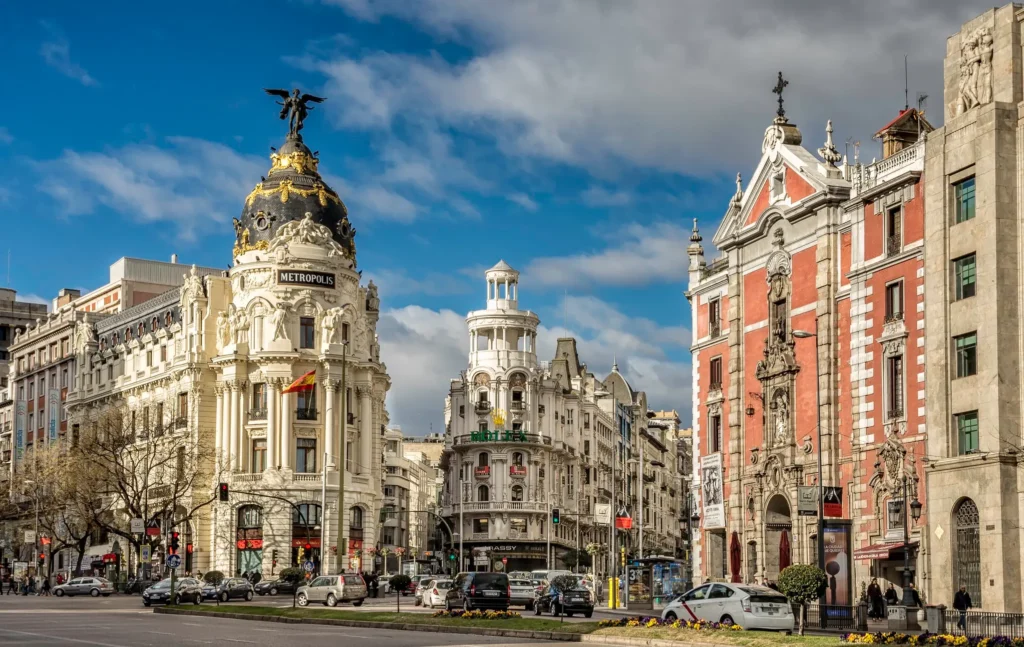
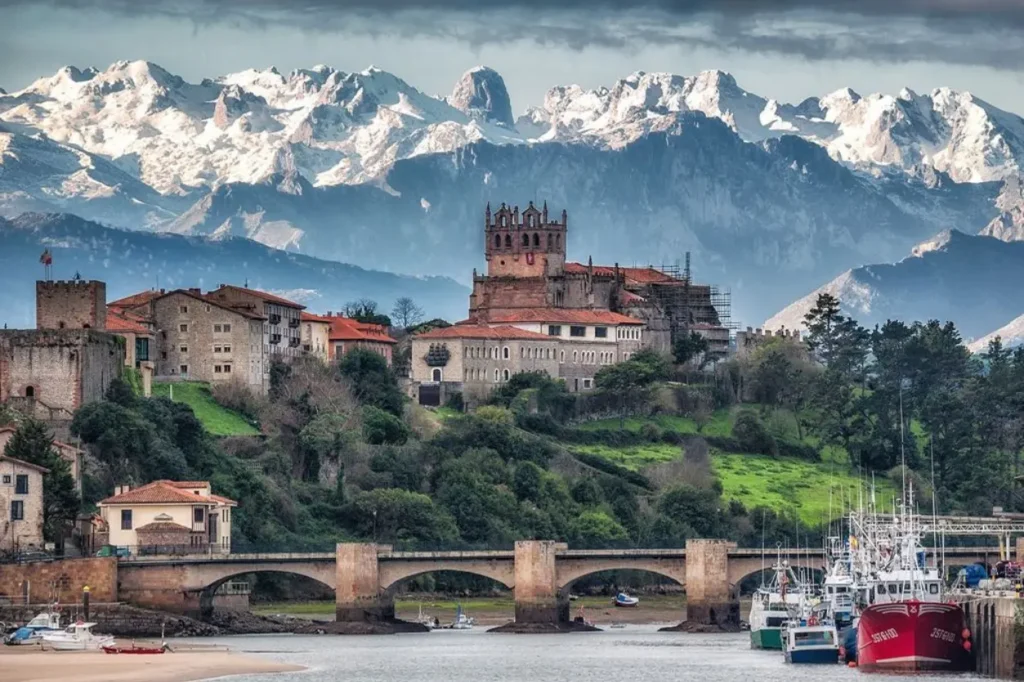
There is a corner in northern Spain where the fierce Cantabrian Sea almost immediately embraces rocky mountains over 2,500 meters (8,200 feet) high. Known by the spot-on slogan “Infinite Cantabria,” this region is a canvas where green is the undisputed star. Few places can boast of packing snow-capped peaks, giant sequoia forests, heart-stopping cliffs, fishing villages, and the best prehistoric caves on the planet into such an easy-to-explore area.
But traveling to Cantabria is much more than taking pretty pictures. It’s feeling the history as you walk on cobblestone streets that haven’t changed in centuries, it’s feeling the salty breeze on your face, and, of course, it’s the immense pleasure of sitting by the warmth of a rustic tavern to devour a hearty cocido montañés (a traditional local bean and meat stew). At Cholleros Viajeros, we know that organizing a road trip without missing the essentials (and without spending a fortune) requires a solid strategy.
If you’re wondering what to see in Cantabria on your next getaway or vacation, you’ve come to the right place. Forget boring, standard lists: we’ll take you by the hand through the must-see spots, telling you what they smell like and how to truly experience them, complete with precise routes, our interactive map, and a ton of hacks to keep your wallet happy. Let’s hit the road!
🌤️ Cantabrian Weather: How to Enjoy the Northern Climate
Let’s be brutally honest: that spectacular green landscape is the direct result of rain. Water will likely be your travel companion at some point, but picking the right dates will help you enjoy it to the fullest:
- Summer (July and August): The best time to hit the beach. Temperatures are a luxury and rarely exceed 25ºC (77ºF). That said, since it’s peak season, you need to book accommodation well in advance, and prices are higher.
- Spring and Fall (The Masterstroke): May, June, September, and October are the golden months. The landscape is greener than ever, waterfalls are flowing at full capacity, there are no massive crowds, and hotels can be up to 40% cheaper.
- Winter: The dream for those seeking rural tourism with a fireplace and a blanket. Seeing the snow-capped peaks, eating warm stews in a remote village, and sleeping in stone manors at rock-bottom prices has a brutal charm.
💶 Travel Budget: How Much Does it Cost to Tour Cantabria?
Although some areas have a reputation as luxury summer retreats, Cantabria offers options for everyone if you know where to look. Here is a realistic daily estimate per person:
- Backpacker / Camper Budget (45€ – 60€/day): Sleeping in RV areas or hostels (15-20€), eating a homemade “menú del día” (menu of the day) or sandwiches on the road (15-20€), and focusing your trip on enjoying nature, which is 100% free.
- Mid-Range Budget (95€ – 140€/day): Staying in beautiful rural inns or comfortable hotels (60-80€), sitting down to eat and tasting the local gastronomy (35-45€), and paying entrance fees to places like Gaudí’s El Capricho or Cabárceno (20-25€).
- Premium Budget (200€ – 300€+/day): Sleeping in palaces converted into boutique hotels, enjoying tasting menus, and signing up for private guided tours.
🚗 Logistics and Transportation: The Art of Getting Around
To squeeze all the juice out of Cantabria, having a car is non-negotiable. Although Santander is very well connected, the real charm lies in getting lost among viewpoints and mountain villages where buses just don’t go. If you’re flying in, we highly recommend renting a car directly at the Seve Ballesteros airport so you can roll right into the adventure.
💡 CHOLLEROS TIP: The Time “Toll” in the Mountains
The Cantabrian Highway (A-8) runs along the coast and is completely free and fast. But to reach inland treasures like Potes or the Pasiegos Valleys, you’ll be driving on secondary roads full of winding curves (like the incredible La Hermida Gorge). Always estimate more time than your GPS tells you, because you’re going to want to pull over every five minutes to take photos!
🥾 Suggested Itineraries for Cantabria (Optimized Routes)
Organizing your map well is vital so you don’t spend your vacation stuck in the car. We’ve prepared three highly sensible routes. Click to expand the one that fits your schedule:
🗺️ 3-Day Route: The Essentials
- Day 1: Morning discovering Santander (Centro Botín, Puertochico, and La Magdalena). In the afternoon, head to the wild Costa Quebrada to watch the sunset at Arnía Beach.
- Day 2: A morning of history strolling through Santillana del Mar and visiting the Altamira Neocave. Afternoon admiring the colors of Gaudí’s El Capricho in Comillas.
- Day 3: A stroll with a maritime flavor through San Vicente de la Barquera. In the afternoon, marvel at the rock formations in El Soplao Cave or get lost under the giant trees of the Sequoia Forest.
🗺️ 5-Day Route: Coast, History, and Peaks
- Days 1 and 2: Do the same route as the first two days above (Santander, Santillana, and Comillas).
- Day 3: Dedicate most of the day to the astonishing Cabárceno Nature Park. As evening falls, visit the cobblestones of Bárcena Mayor, deep in the forest.
- Day 4: Drive through the La Hermida Gorge to have lunch in Potes and feel the vertigo going up the Fuente Dé Cable Car.
- Day 5: Relax in San Vicente de la Barquera, enter El Soplao Cave, and say goodbye to the region watching the waves crash at the Cabo Mayor Lighthouse (Santander).
🗺️ 7-Day Route (1 Week): Total Immersion
- Days 1 to 4: Enjoy Santander, Santillana, Comillas, Cabárceno, and the ascent to the Picos de Europa (Potes) at a relaxed pace.
- Day 5: Explore the eastern coast: Santoña (with its anchovies and the Faro del Caballo), Castro Urdiales, and the massive beach of Laredo.
- Day 6: Unplug in the Pasiegos Valleys. Tour Selaya and Vega de Pas, surrounded by green mountains, and taste authentic sobaos.
- Day 7: Travel inland to see the Source of the Ebro River and peek out from the viewpoint at Collados del Asón Natural Park.
🏨 Where to Stay Guide (Our Recommendations)
Changing hotels every night is a mistake that will steal your time. The smartest thing to do is set up a strategic base camp in the center of the region (areas like Torrelavega, Suances, or Miengo). From there, you are less than 45 minutes from almost anywhere. If you are staying more than 5 days, you can spend a couple of nights near Potes to explore the mountains early in the day, and the rest near the coast.
🏨 Recommended Accommodation in Cantabria by Area
These hotels are a safe bet for location and charm:
- ✓ To walk the capital: Hotel Bahía (Santander). Unbeatable location right across from the Centro Botín and the bay. Walk out the door and you’re in the thick of it.
- ✓ Luxury with history: Hotel Casa del Marqués (Santillana del Mar). Sleeping in an authentic 15th-century manor house right in the historic center is amazing.
- ✓ Perfect base for Picos de Europa: Hotel Valdecoro (Potes). Very cozy, friendly service, with mountain views and a five-minute walk to the town center.
🚐 Where to Sleep with an RV or Camper in Cantabria
Traveling with your home on your back through the north is wonderful, and Cantabria is super prepared for it. Beware, wild camping is strictly forbidden (that means taking out awnings, chairs, or using leveling blocks outside of campsites), especially near the coast or in the Picos de Europa, where the fines are no joke.
Luckily, there are RV areas with incredible views. Standouts include the Lago del Acebo Area (where you can eat breakfast while watching the Cabárceno elephants from the outside) and the public area in San Vicente de la Barquera. You can search the official list in the AreasAc guide.
🗺️ Interactive Map of Must-See Spots
So you don’t go crazy plugging data into your GPS, we’ve put all the key locations on this interactive Google MyMaps. They are color-coded: the emerald coast, high mountains, caves, green valleys, and camper areas. Click the star on the top right to save it to your phone and carry it in your pocket!
👑 Spots That Will Steal Your Heart (The Immersive Route)
Get ready, because this land has so much to offer. We’ve selected the best places and tell you simply how to enjoy them to the fullest, skipping the boring encyclopedia explanations.
🌊 Santander and the Charm of its Majestic Bay
The capital managed to be reborn after the great fire of 1941, and today it is an elegant, clean, and super pleasant city to walk around. The best place to feel its pulse is the Paseo de Pereda. Walking with white stone buildings on one side and the sea on the other puts you in vacation mode instantly.
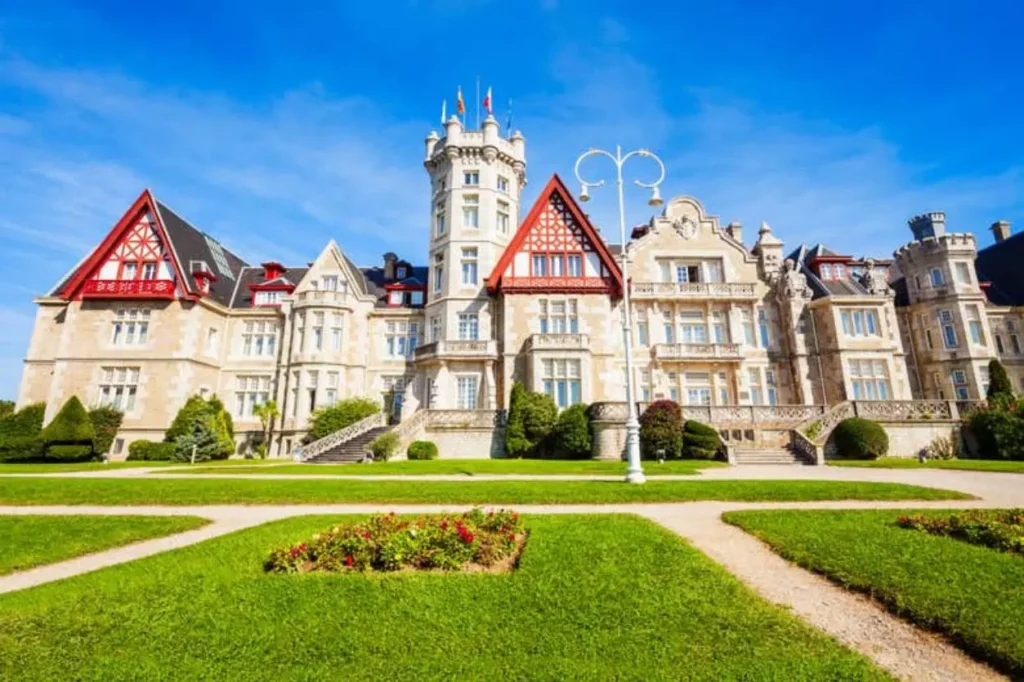
As you stroll, you’ll run right into the Centro Botín, a modern building that seems to float over the water. Walk up its glass walkways for the best panoramic view of the city and boats. Continue on to Puertochico, the old fishing quarter, perfect for sitting down for a vermouth with rabas (fried calamari). The main course is the Magdalena Peninsula, a huge park surrounded by the sea and crowned by the palace where the Spanish kings used to spend their summers. Skirting it while looking out over the cliffs is a fantastic 100% free plan.
💡 CHOLLEROS TIP: Cheap Parking in Santander
Parking in downtown Santander is expensive and it’s all regulated blue zones (OLA). The trick to saving a good chunk of money is leaving your car in the huge, free parking lot at the Campos de Sport del Sardinero (the soccer stadium). From there, you catch the city bus (TUS) or take a downhill stroll to the center while looking at the beaches.
🎟️ Guided Tours So You Don’t Miss a Detail
Understanding the history, the caves, or touring the high mountains is much better if a local explains it to you. We highly recommend these tours:
- ✓ To get your bearings on day one: Book the Santander Free Tour. They’ll tell you the best fun facts about the capital and you decide how much to tip at the end.
- ✓ An excursion into history: Guided tour to Santillana del Mar and the Altamira Museum (from Santander). You avoid the stress of driving and parking in the summer.
- ✓ The great mountain route: Full-day excursion to Picos de Europa and Potes. Relax and admire the scenery without white-knuckling the curves.
🏰 Santillana del Mar, a Direct Trip to the Past
Everyone knows it as “the town of three lies” because it is neither truly holy (santa), nor flat (llana), nor does it have the sea (mar), but what is 100% true is that it’s one of the best-preserved stone villages in Spain. When you set foot on its cobblestone streets, it feels like you’ve traveled back in time. On either side, you’ll see large stone houses adorned with family crests carved into the facades and balconies overflowing with flowers.
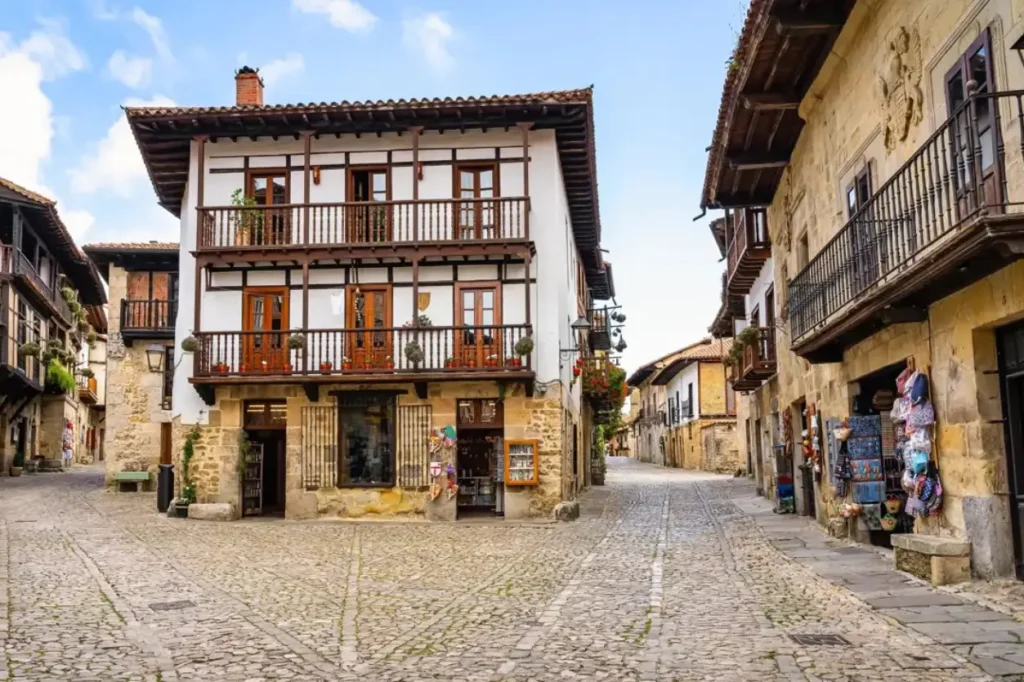
The heart of the village is the Collegiate Church of Santa Juliana, a Romanesque art beauty. Just seeing its inner courtyard of columns makes the trip worth it. To really get the secrets of each house, we highly recommend signing up for a guided walking tour of the town. And heads up, don’t leave without following the tradition: buy a glass of fresh cow’s milk with a slice of homemade sponge cake at the traditional street stalls.
🐂 The Altamira Neocave: The Dawn of Human Art
Just a couple of kilometers from Santillana is the “Sistine Chapel of prehistoric art.” The original Altamira cave has spectacular bisons and deer painted on the ceiling from thousands of years ago. Since human presence damages the real paintings, almost no one is allowed into the authentic cave.
But don’t worry, because the museum has built the Neocave, an exact millimeter-by-millimeter replica of the rock. Going in there, with dim lighting, and seeing the perfectly recreated drawings gives you goosebumps and makes you realize just how smart and artistic our ancestors were.
💡 CHOLLEROS TIP: Get into Altamira for Free
If you want to save a chunk of your family budget, plan your visit well. The National Museum and Altamira Neocave offer free entry on Saturday afternoons (starting at 2:00 PM) and all day Sunday. Just make sure to go early because the lines are usually longer!
🌻 Comillas and its Colorful Palace by the Sea
Comillas is an explosion of color and spectacular buildings thanks to the money brought back by the indianos (emigrants who made their fortune in the Americas) at the end of the 19th century. They brought in the best architects from Catalonia, and the result is incredible. The crown jewel is Gaudí’s El Capricho, a small, super colorful mansion covered in sunflower tiles with a tower that looks straight out of a fairytale. It’s one of the few Gaudí works outside his homeland.
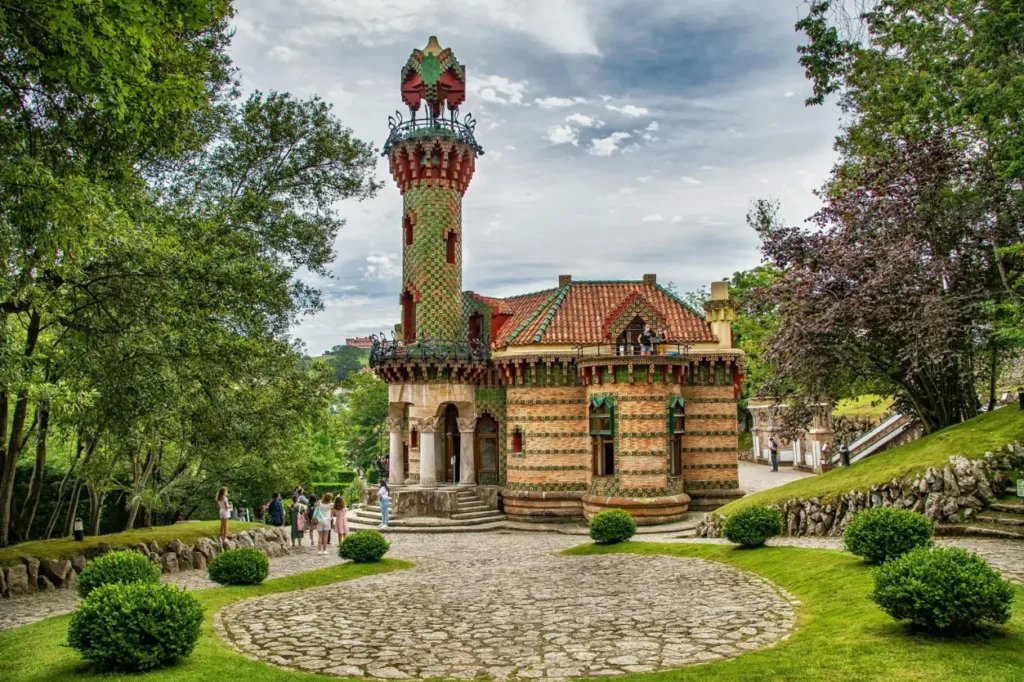
Also, take a quiet stroll through the gardens of the massive Sobrellano Palace, admire the University on top of the green hill, and check out the cemetery, guarded by the famous Exterminating Angel statue staring out at the sea.
🎟️ Heads up, the lines in summer are grueling, so secure your ticket to El Capricho by buying it here in advance.
📦 Savvy Backpacker: Essentials for the North
The weather here does whatever it wants. So a sudden downpour or puddle doesn’t ruin your day, pack this in your suitcase:
- ✓ For the chilly breeze: A lightweight windbreaker. Essential even in August when the sun goes down.
- ✓ In case the clouds roll in: A compact, sturdy umbrella. The famous *sirimiri* (light drizzle) will soak you if you aren’t prepared.
- ✓ To walk comfortably: Some waterproof trekking shoes. They’ll save you from slipping on damp stone streets in the villages.
🐘 Cabárceno: A Spectacular Safari Amidst Rocky Mountains
Erase the idea of a typical zoo from your mind; Cabárceno is in another league entirely. Built in an old open-pit iron mine, it’s a massive, almost Martian-red park. Here, hundreds of animals live in semi-freedom in immense enclosures where they can run and hide.
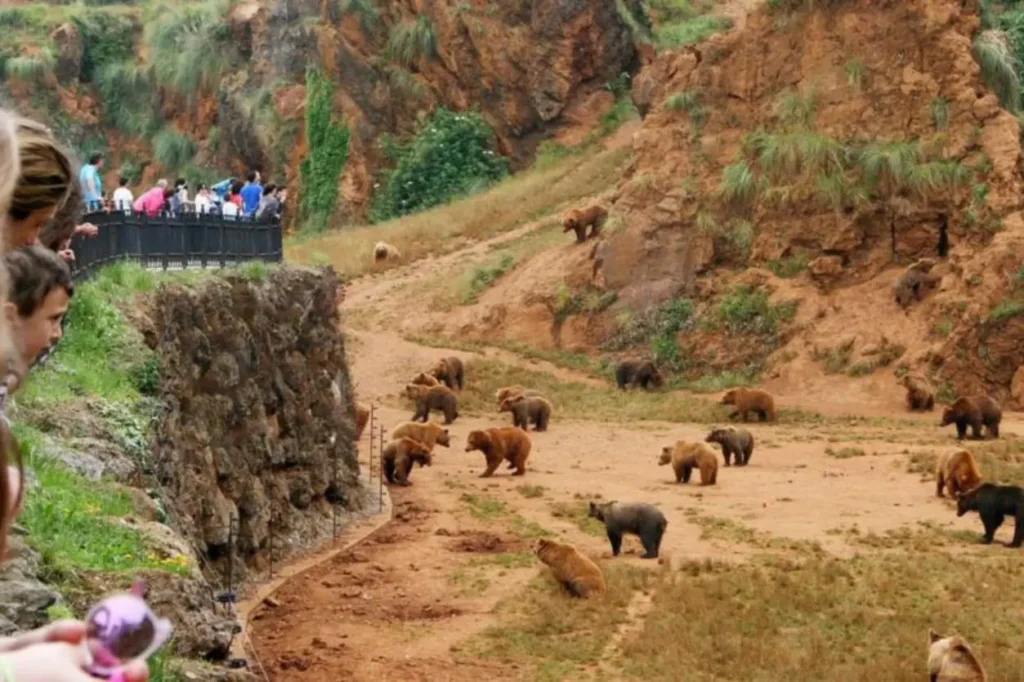
You do most of the visit driving your own car, pulling over to see giraffes, tigers, or the incredible elephant and brown bear zones. To skip the long line of cars at the entrance, we highly advise buying your tickets online before you go. And don’t forget to hop on the free cable cars that cross the park by air: the bird’s-eye views of the bears are documentary-worthy.
🌅 Costa Quebrada: The Wildest Cliffs for Sunset Chasing
If you like photography or sitting down to watch an angry sea, this stretch of coast just minutes from Santander will blow your mind. Over about twenty kilometers, the sea has smashed the coastline, creating sharp rocky peaks that stick out of the water like shark fins, straight-drop cliffs, and vast flat stone platforms that appear at low tide.
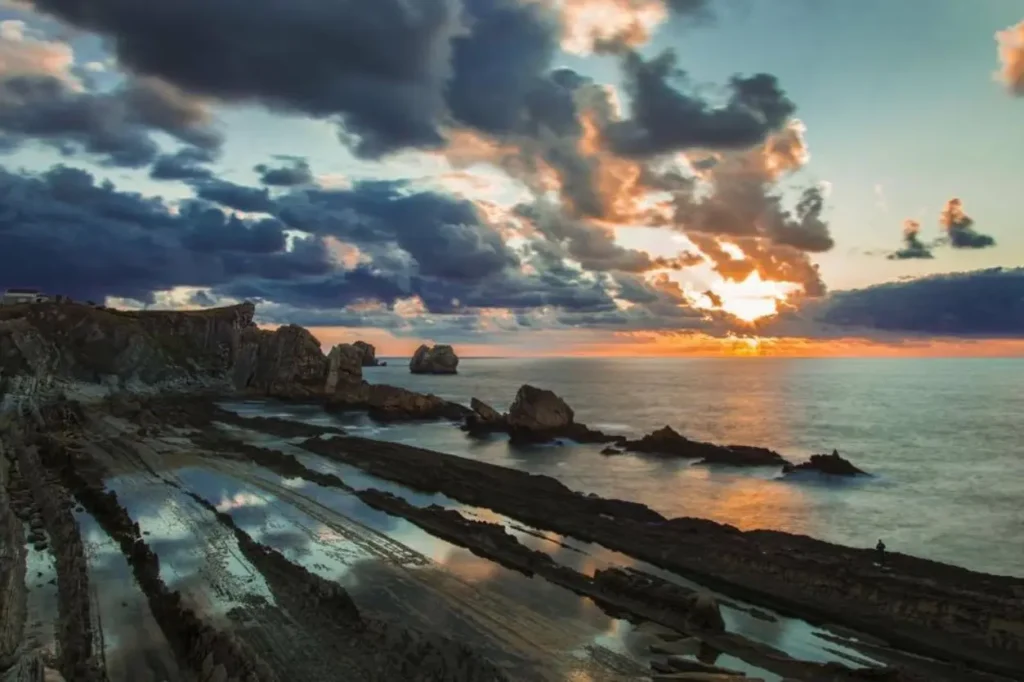
The crown jewel is the hidden Arnía Beach. Sit on the green grass above, bundle up a bit, and enjoy watching the sun dip behind the rocks, dyeing the sea in gold and purple tones. One of the best sunsets of your life, guaranteed.
⛰️ Potes and the Liébana Microclimate
Just getting to Potes is an adventure because you have to drive through the La Hermida Gorge, a deep canyon surrounded by towering rock walls. When you emerge, you find yourself in the Liébana Valley, which is so protected by the mountains that it boasts a super pleasant, mild microclimate.
Potes is a postcard-perfect town. Treat yourself by getting lost in its medieval streets, crossing the old stone bridges, and snapping some photos with the robust Torre del Infantado. Also, you can’t leave without buying a good local cheese and taking a shot of their famous, strong artisanal orujo (pomace brandy) to help the food settle.
🚠 Floating Over the Void on the Fuente Dé Cable Car
At the end of the valley, where the road crashes into a giant bowl-shaped mountain, is the fastest and most spectacular way to go up the Picos de Europa: the Fuente Dé Cable Car. In three thrilling minutes, the cabin hoists you over 750 meters straight up, with no support pillars in between, dropping you off at 1,823 meters (almost 6,000 feet) high.
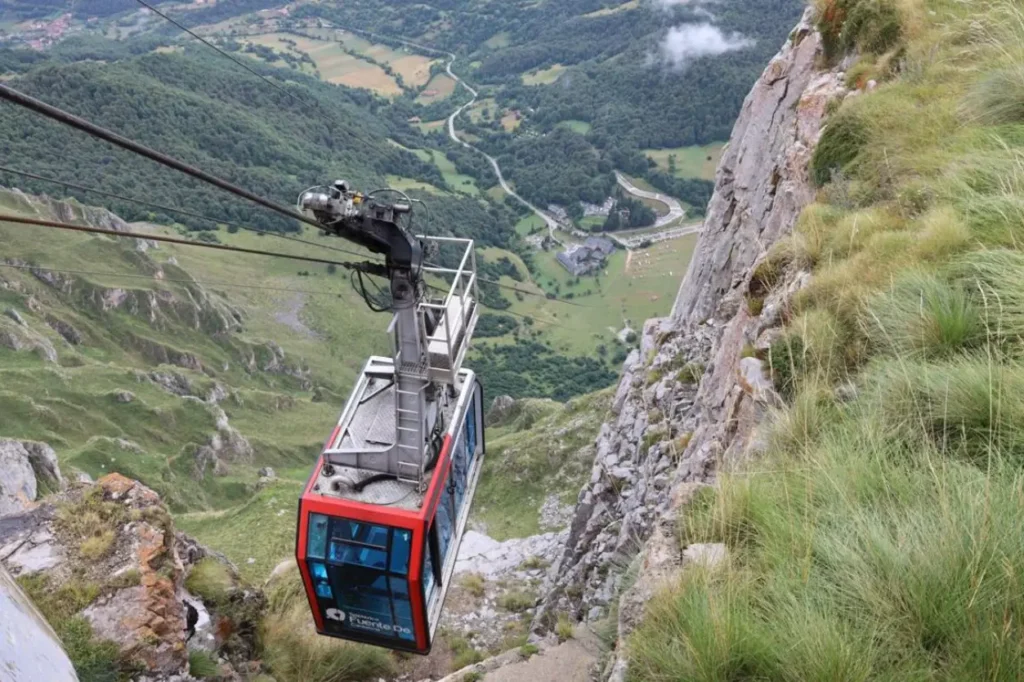
You step out onto a metal balcony suspended in mid-air (not recommended if you’re terrified of heights) where you see the green valleys down below in miniature. A major heads-up: in high season, the lines are maddening, so make sure to buy your Cable Car tickets in advance.
💎 El Soplao Cave: White Magic Under the Mountain
Miners stumbled upon it by chance at the beginning of the century, and it turned out to be one of the rarest and most beautiful caves in the world. What makes it so special is that its white rocks have grown in all directions, as if there were no gravity, creating shapes that look like ocean coral or crystal spiderwebs.
To enter, you board a real replica mining train that takes you through a long, dark tunnel. It’s an awesome plan, especially if you’re traveling with kids or get caught on a rainy day. Seats on the train sell out fast, so the most comfortable option is to reserve your spot for El Soplao a few days ahead.
🌲 The Sequoia Forest: A Piece of California in the North
Five minutes from Cabezón de la Sal is a spot that will blow your mind. You’re walking through a normal forest, and suddenly, hundreds of towering, reddish-trunk trees appear that look straight out of the US. There are more than 800 giant sequoias that were planted in the 1940s for lumber but were ultimately left to grow wild.
Walking beneath them, touching that spongy bark and breathing in the clean resin scent, is wonderfully relaxing. And hey, the photos turn out spectacular!
🍂 Bárcena Mayor and Carmona: Stone Villages and Tudanca Cows
If you want to disconnect from everything, Bárcena Mayor is the place. It’s a pedestrian-only village (you have to leave your car at the entrance) sunken in the middle of a massive oak forest. The stone manors with flowers hanging from wooden balconies look exactly the same as they did a hundred years ago.
On the other hand, Carmona is a tiny village where artisans still hand-carve rustic wooden shoes (*abarcas*). Strolling through there and seeing the impressive native “Tudanca” cows peacefully grazing, with their large horns and dark coats, is like stepping a century back in time.
🏖️ Laredo and the Endless Sandy Beach
Laredo has two fantastic sides to it. First, its old quarter packed with narrow alleys and medieval buildings that whisper tales of ancient merchants and ships. Second, and the main reason people flock here in the summer, is its beach: Playa de La Salvé.
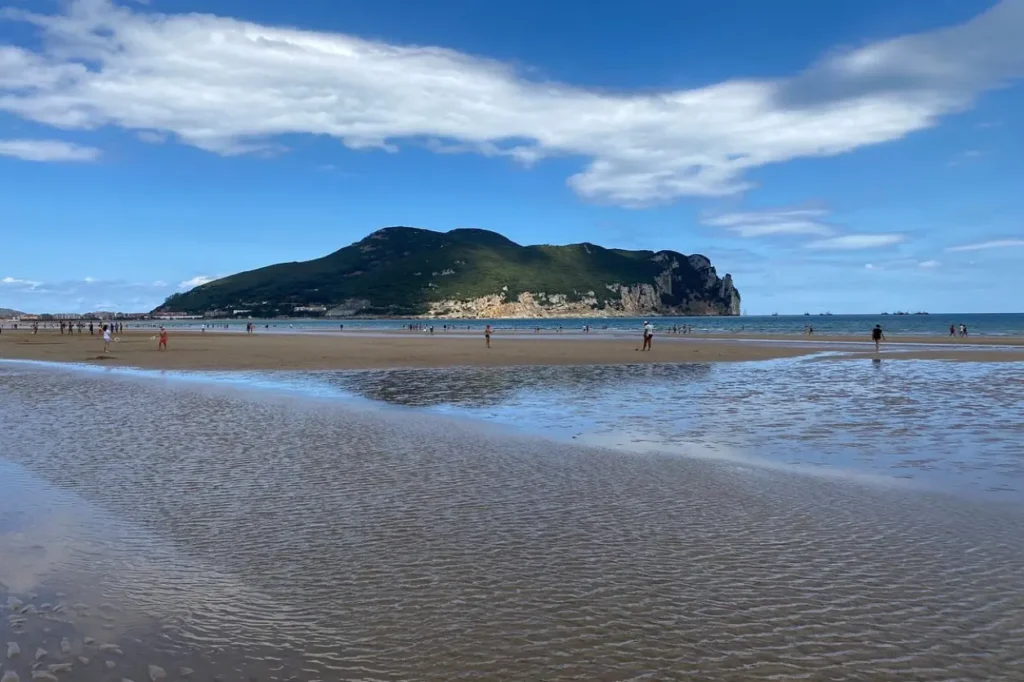
We’re talking about more than four consecutive kilometers of fine, golden sand shaped like a half-moon. A barefoot walk along the shore at sunset, smelling the salt and the sea, is the ultimate anti-stress therapy.
🐟 Santoña: Premium Anchovies and the Lighthouse Steps
Santoña is paradise if you love good food, because this is where they make the famous hand-crafted anchovies, patiently cleaning them one by one. But aside from eating, the town has a physical challenge that has gone viral online: the hike to the Faro del Caballo (Horse Lighthouse).
To get to this old lighthouse, you have to descend an almost vertical stone staircase of about 700 steps down the cliff. It’s exhausting, but when you reach the bottom and swim in incredible, Caribbean-like turquoise waters, you forget all the pain. If sweating buckets isn’t your thing, the smarter option is to book a little boat ride around the bay and the lighthouse, taking in the views comfortably from your seat.
👦 Traveling to Cantabria with Kids: The Perfect Family Destination
Cantabria is an absolute joy to visit with little ones. It blends countryside, beach, and super fun learning. The Cabárceno Nature Park is always the grand prize: seeing elephants up close or watching the bears play leaves them with their mouths hanging open.
Other fail-proof ideas include riding the mining train into El Soplao Cave, having a blast trying to navigate out of the giant Villapresente Maze (Spain’s largest bush maze), or spending the morning watching massive sharks at the Maritime Museum in Santander.
🐕 Vacations in Cantabria with Your Dog
With so many green meadows and mountain trails, your dog is going to have a blast. But keep an eye on the rules to avoid surprises: in summer, the main city beaches (Sardinero, Comillas, Laredo) ban dogs from the sand. Major protected parks like La Magdalena also don’t allow them in.
Luckily, you have paradises for them like El Puntal Beach (in Somo, across the Santander bay) or getting lost walking with them through the cool forests of the Saja-Besaya Natural Park.
🥘 The Heavyweight Mini-Gastronomic Guide (With Prices & Tips)
If you come north, you come to eat. Forget light meals; here it’s all about hearty spoon-dishes and super-fresh fish. Jot down these classics you simply cannot miss:
- Rabas de Calamar (The King of Appetizers): No frozen rings here; these are thick, super tender strips of battered, fried calamari. A plate of these with a vermouth in the bars of Puertochico will make your morning. (Generous portion: 8€ – 12€).
- Cocido Montañés: The king of the valleys. A deep bowl of white beans, soft cabbage, and the “compango” meats (chorizo, blood sausage, pork belly, and ribs). Perfect for refueling in places like Bárcena Mayor. (Full menu: 16€ – 22€).
- Cocido Lebaniego: The potent version from the Potes area. Made with incredibly tender chickpeas, a homemade fried stuffing, and the special touch: cured sheep meat and beef jerky. You will definitely need a nap afterward. (Full menu in Potes: 18€ – 25€).
- Santoña Anchovies: The red treasure of the Cantabrian Sea. They cure them in barrels for months, clean them by hand without leaving a single bone, and serve them with good olive oil. (High-quality portion: 12€ – 18€).
- Sobaos and Quesada Pasiega: You can’t leave without buying freshly made, pure butter *sobaos* (sponge cakes) and a good artisan *quesada* (a dense cheesecake-like dessert) in the town of Selaya. Nothing like the supermarket stuff! (Pack of 6 huge, quality sobaos: around 6€).
💡 CHOLLEROS TIP: How to Eat Cocido for Half the Price
If you go to a traditional restaurant on a Saturday, a plate of cocido can cost an arm and a leg because they charge à la carte. The best money-saving trick is to stop for lunch at village restaurants Monday through Friday at midday. Almost all of them offer a “Menú del Día” (Daily Menu) for about 12€ – 15€ that includes a massive pot of delicious cocido and a homemade dessert.
💃 Continue Your Adventure Through Northern Spain
Are you putting together a long road trip through the north? Check out our Cholleros Viajeros approved guides packed with tips:
🤔 FAQ: Quick Questions for Your Trip to Cantabria
How many days do you need to see Cantabria properly?
A minimum of 4 to 5 days on a fast-paced trip will let you see the coastal highlights and make a quick jump to the Fuente Dé cable car. But to truly enjoy it, eating well without rushing and getting lost in the valleys, a 7 to 10-day trip is ideal.
Do I really have to book tickets online?
Absolutely yes. If you’re going to Gaudí’s El Capricho, the Fuente Dé Cable Car, or El Soplao Cave during the summer, weekends, or holidays, you’ll be stuck in line for hours in the sun (or simply left out) if you don’t bring your pre-purchased ticket from home.
What plans can I make if it rains or there’s bad weather?
It’s the perfect time to discover underground treasures like El Soplao Cave or the Altamira Neocave (you won’t get wet at all!). It’s also a great plan to spend the morning at the Centro Botín or the Maritime Museum in Santander, or simply take shelter in a rustic manor and eat a hot *cocido* by the fire.
Is Cantabria suitable for traveling with children?
Totally! It’s one of the best family destinations in Spain. Aside from seeing elephants and bears in Cabárceno, they’ll love riding the mining train in El Soplao, getting lost in the massive Villapresente Maze, or discovering the sharks at the Maritime Museum.
Can I travel with my dog to beaches and monuments?
The mountains are perfect for them, but you have to be careful. In the summer, main beaches ban dogs, though you have the awesome El Puntal Beach (Somo) where they can go. They are not allowed inside indoor monuments or city parks like La Magdalena.
What are the typical dishes and where should I try them?
Order some good calamari *rabas* with vermouth in Santander, dig into a massive plate of *cocido montañés* in towns like Bárcena Mayor, try the *cocido lebaniego* when you go to Potes, and have authentic *sobaos* for breakfast in Selaya.
What spot in Cantabria caught your eye the most for your next road trip? Go ahead and drop us your question or comment right below! We’d love to read it and help you square away your plans for a flawless trip to the north.