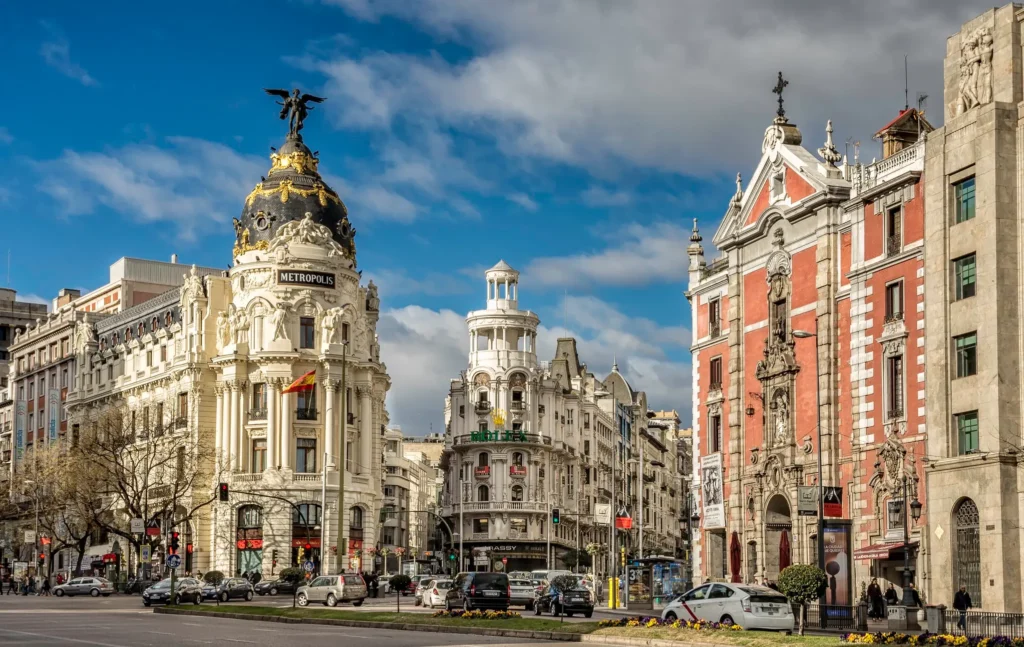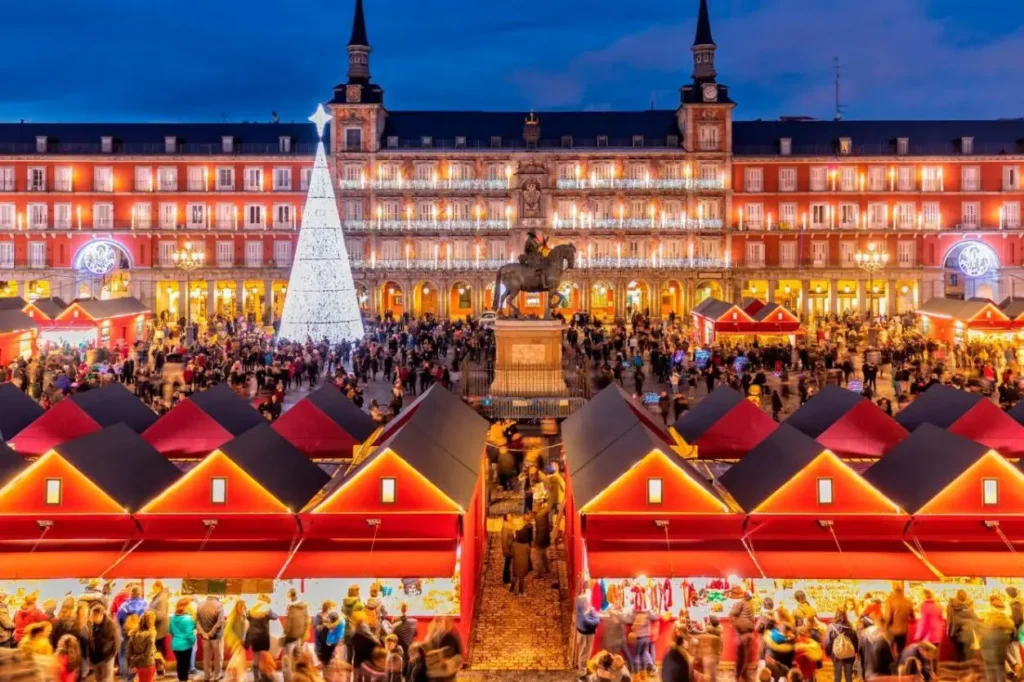
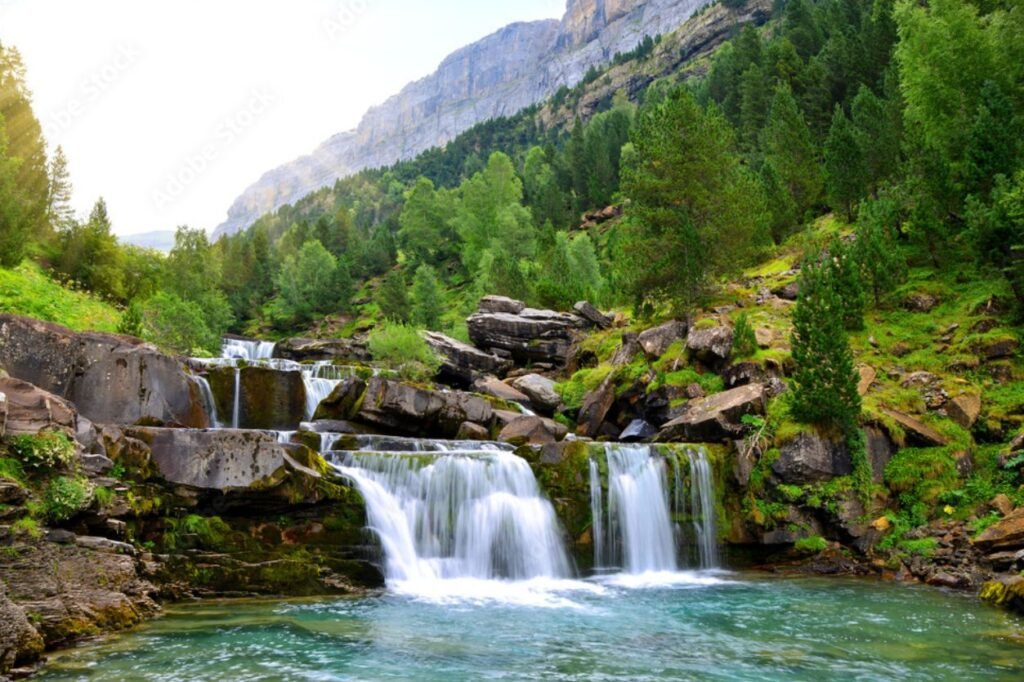
The province of Huesca is the great treasure of northern Spain and the main gateway to the majestic Aragonese Pyrenees. Covering more than 15,600 km², this region requires meticulous planning. From the southern steppes to the glacier peaks over 3,000 meters high on the French border, driving distances can be long and national park regulations are strictly enforced.
At Cholleros Viajeros, we have a golden rule: every euro saved is a euro for your next getaway. That’s why we run away from generic, cookie-cutter guides. Whether you’re looking to get lost among legendary castles or you’d rather lace up your hiking boots to explore glacial valleys, this guide is packed with raw data, real logistics, and off-the-brochure secrets so you can plan a surprise-free trip and weave together your perfect itinerary at the best possible price.
🌤️ Weather and the best time to travel (Month-by-Month Analysis)
The weather in the Huesca Pyrenees changes drastically in a matter of hours depending on the altitude. Here’s how the province behaves throughout the year so you know exactly what you’re up against:
- December to March (Snow and Ski): Ideal for alpine skiing (Formigal, Cerler, Astún, Candanchú) and snowshoeing. Nighttime temperatures drop below 23ºF (-5ºC). It is mandatory to carry snow chains in your trunk, or the Guardia Civil (Spanish police) will turn you around at the mountain passes.
- April to June (Thaw and Spring): The absolute best time to see the Ordesa waterfalls and the Bierge Jump at their peak thanks to the spring thaw. Daytime temps range from 59ºF to 72ºF (15ºC to 22ºC), but expect a mountain thunderstorm almost every afternoon.
- July and August (High Season): All mountain refuges and roads are fully open, and the days are endlessly long. It will be scorching hot in the southern valleys (90ºF / 32ºC), but you’ll still get icy breezes at dawn in the high altitudes. All traffic restrictions in the National Parks are activated.
- September to November (Magical Autumn): The golden era for mushroom foraging and listening to the deer rut. The forests explode in reddish colors, and best of all: the mass tourism vanishes and hotel prices drop significantly.
💶 Detailed Huesca travel budget
How much does it cost to travel to the Pyrenees? Prices vary wildly depending on whether you sleep at the foot of the Aneto peak or stick to the pre-Pyrenees. Here is a realistic daily breakdown per person to help you balance your books:
- Backpacker / Camper Budget (35€ – 50€/day): Staying in municipal campsites or legal boondocking/wild camping (15-20€), supermarket meals (10-15€), free activities hiking the mountains, and shared gas (10-15€).
- Mid-Range / Comfort Budget (80€ – 110€/day): Night in a cozy rural hotel or decent guesthouse (40-55€ per person in a double room), a delicious homemade menú del día (daily set menu, 25-35€), breakfast (6-10€), a basic guided tour (15€), gas, and parking (15€).
- Premium / Luxury Budget (180€ – 250€+/day): Charming 4-star boutique hotels (90-150€), premium steakhouses to treat yourself (50-70€), and private adventure sports or ski passes (60-80€).
🚗 Urban and interurban transport logistics
Getting to the Pyrenees is step one of your adventure, and picking the wrong transport can cost you both time and money. If you are coming from the other side of the peninsula or from outside Spain, the masterstroke is to find a low-cost flight to Zaragoza Airport (ZAZ). Airlines like Ryanair or Vueling have super cheap and regular connections. Quick heads-up: Huesca-Pirineos Airport exists, but it has no regular commercial flights, so just erase it from your mind. Once you land in Zaragoza, the best move is to rent a car right at the terminal so you have total freedom in the mountains.
If you prefer ground travel and want to skip the stress of long drives, the AVE high-speed train is a marvel. Huesca has an impeccable intermodal station that drops you there from Madrid in about 2 hours and 15 minutes, or from Zaragoza in 40 minutes (if you snag Renfe Promo tickets early, they are dirt cheap). And for the tightest budgets, ALSA or Avanza buses are the classic bargain that never fails to get you directly from Zaragoza or Barcelona for just a few euros.
Where to park: Exact streets and free zones
Paying for the zona azul (paid street parking) while on vacation hurts the soul. In Huesca Capital, flee from the Coso Alto and Bajo areas due to restrictions and cameras; park safely and for free on Calle San Jorge or in the huge dirt lot at the Palacio de Congresos. In Jaca, forget about circling the center and head straight to Llano de la Victoria, a massive free parking lot just a 5-minute walk from the Citadel. In medieval villages like Aínsa or Alquézar, things get trickier: the old town is closed to non-resident traffic, so you’ll have to use the park-and-ride lots at the entrances (some are free if you’re an early bird, others cost around 3€ for the whole day).
💡 BARGAIN TIP: The shuttle bus trick
During summer and Easter week, the road to the Pradera de Ordesa is closed. You are forced to leave your car in Torla and pay 5€ for the shuttle bus. If you travel during peak season (August), plant yourself at the ticket office to catch the very first bus at 06:00 AM. Not only will you skip an hour-long line under the blazing sun, but you’ll hike the Cola de Caballo trail in absolute solitude and in the shade.
🥾 Step-by-Step Itineraries for Huesca (Timelines and Kilometers)
We know that piecing an itinerary together can cause headaches. We’ve put the puzzle together so you don’t beat yourself up driving pointlessly on winding mountain roads. Click to expand the route that best fits your travel days:
🗺️ 4-Day Route: The Classic Pre-Pyrenees and Jacetania
- Day 1: History, Castles, and Vultures. Walking tour through Huesca capital (Cathedral and San Pedro el Viejo Cloister). Drive (35 min) to Loarre. Guided tour of the Castle. Move to Ayerbe and watch the sunset over the Mallos de Riglos from the Vultures’ Viewpoint. Sleep in Jaca.
- Day 2: Mild Nature and Heritage. Guided tour of the Jaca Citadel and its Romanesque Cathedral. Drive (30 min) and have lunch near Santa Cruz de la Serós. Climb up to the Old Monastery of San Juan de la Peña and visit the cloister. Return to Jaca.
- Day 3: The Magical Valley of Ansó. Drive (45 min) to the Hecho Valley and Ansó. Hiking route through the Selva de Oza (Oza Forest). Lunch in a traditional borda (mountain cabin) and stroll through the narrow callizos (alleys) of Ansó. Return to Jaca.
- Day 4: Borders, Snow, and Luxury. Drive up to the Canfranc International Station (25 min from Jaca). Guided tour of the historic lobby. Lunch in the Aragón River valley or head up to the Astún ski slopes before starting your trip home.
🗺️ 7-Day Route: The Great Immersion (Sobrarbe, Ribagorza, and Ordesa)
- Day 1 (Guara): Arrive via Barbastro. Stroll through Alquézar and hike the Pasarelas del Vero (2 hours). Drive north to sleep in Aínsa.
- Day 2 (Ordesa): Drive to Torla. Catch the 08:00 AM shuttle bus. Full hiking route through the Ordesa Valley to the Cola de Caballo Waterfall (17 km). Sleep in Torla or Aínsa.
- Day 3 (Añisclo and Tella): Morning stroll through Aínsa’s arcaded square. In the afternoon, a scenic drive through the Añisclo Canyon and a simple hike around the Ermitas de Tella.
- Day 4 (Benasque): Drive to the Benasque Valley (1h 20m from Aínsa). Drive up to the Llanos del Hospital. Easy hike to the Forau de Aigualluts to see the Aneto glacier. Sleep in Benasque.
- Day 5 (Chistau Valley): Visit the picturesque villages of Plan and San Juan de Plan. If you have a 4×4 or grab a local taxi, go up to the Basa de la Mora (Ibón de Plan).
- Day 6 (Romanesque Ribagorza): Head towards Ribagorza. Visit the Cathedral of Roda de Isábena and stop in Graus to try their famous longaniza sausage.
- Day 7 (Vertigo in Montfalcó): Adrenaline-pumping morning hike across the spectacular Montfalcó Footbridges and the Mont-Rebei gorge before starting the journey back home.
🏨 Where to stay guide (Bargain Recommendations)
Nailing down your base camp will save you absurdly early wake-up calls and gas money. We have mapped out the best strategic zones and left you options that perfectly match our radar for great deals and justified treats:
📍 ZONE 1: Jaca and the Aragón Valley (The nervous system)
Ideal for exploring Canfranc, Ansó, and San Juan de la Peña. It has hundreds of tapas restaurants, large supermarkets for making trail sandwiches, and a ton of life.
- ✓ Total Treat: Eurostars Reina Felicia. Top quality with pools and a spa to unwind your legs after hiking (a 15-min walk from the center).
- ✓ Unbeatable Value: Gran Hotel de Jaca. Very central, with an outdoor pool in the summer and its own parking lot (pure gold).
- ✓ Adventurer Mode: Hotel Alda A Boira. Detailed budget option, spotless, and geared towards sleeping cheap so you can wake up early.
📍 ZONE 2: Torla, Aínsa, and Sobrarbe (The hiking heartland)
You will literally be at the gates of Ordesa and the Añisclo Canyon. You save about 2 hours of driving a day if your main goal is to hike the valleys.
- ✓ Total Treat: Hotel Bujaruelo (Torla). Spectacular panoramic views straight to the Mondarruego mountain wall right from your balcony.
- ✓ Sure Bet: Hotel Villa de Torla. Rustic decor, fireplaces, lots of charm, and a family-friendly vibe at a reasonable price.
- ✓ Adventurer Mode: Camping Ordesa or Camping Río Ara. The best bargain camping pitches and bungalows in the area.
📍 ZONE 3: Benasque Valley (Pure mountaineering)
Mandatory base if your goal is to ascend the Aneto glacier or ski in Cerler. A technical and very isolated mountaineering atmosphere.
- ✓ Our Bargain Bet: SOMMOS Hotel Aneto. If you’re going to splurge, do it here. A glass-enclosed heated pool overlooking the snow.
- ✓ Adventurer Mode: Refugio de La Renclusa. Legendary and super economical for hardcore mountaineers. Bunk beds and human warmth (reservations mandatory).
🚐 Routes and overnight stays for motorhomes or campers in Huesca
The Pyrenees is a van-lifer’s dream, but beware of fines: since it is a zone heavily laden with Natural Parks, wild camping (taking out your awning, chairs, or leveling blocks) is chased down by SEPRONA (the environmental police) with fines starting at 300€. Here are 4 legal and reliable bases for your rolling home:
- Área de Membrilleras (Jaca): Public, municipal, and free for emptying and filling tanks. Super close to the center of Jaca.
- Área del Castillo (Aínsa): Epic views of the Mediano reservoir from the castle esplanade. You pay at the parking meter (around 5€), an absolute steal for that sunrise.
- Camping Oto (Torla): Since you cannot spend the night inside Ordesa, this nearby campsite is the camper’s Mecca. Huge, green pitches for about 25€ a night.
- Parking Llanos del Hospital (Benasque): Park for free in the dirt lot at the foot of the Aneto. Zero amenities and very cold at night, but the location is priceless.
🗺️ Interactive map of Huesca’s must-sees
Save this interactive Google MyMaps so you don’t burn through your mobile data in the mountains. We’ve organized it by color layers and included exclusive camper areas. Sync it to your phone and get exploring:
🏛️ Huesca Capital: The great forgotten city perfect for starters
Almost everyone drives right past it towards the peaks, but the quiet capital of Huesca deserves a morning of your time. Start your stroll at the Cathedral of Santa María, built over an ancient mosque and boasting a brutal alabaster altarpiece. A couple of blocks away, you’ll bump into the Monastery of San Pedro el Viejo, whose 12th-century Romanesque cloister guards the tombs of Alfonso I the Battler. Top off the walk by getting some fresh air in the Miguel Servet Park and take the obligatory photo with its monumental “Pajaritas” (origami birds).
🏘️ The most beautiful villages in Huesca: A journey to the Middle Ages
Get ready to travel back in time. Among thick walls, black slate roofs built to spit off the snow, and immense conical chimneys, the province hides the most photogenic villages in Spain.
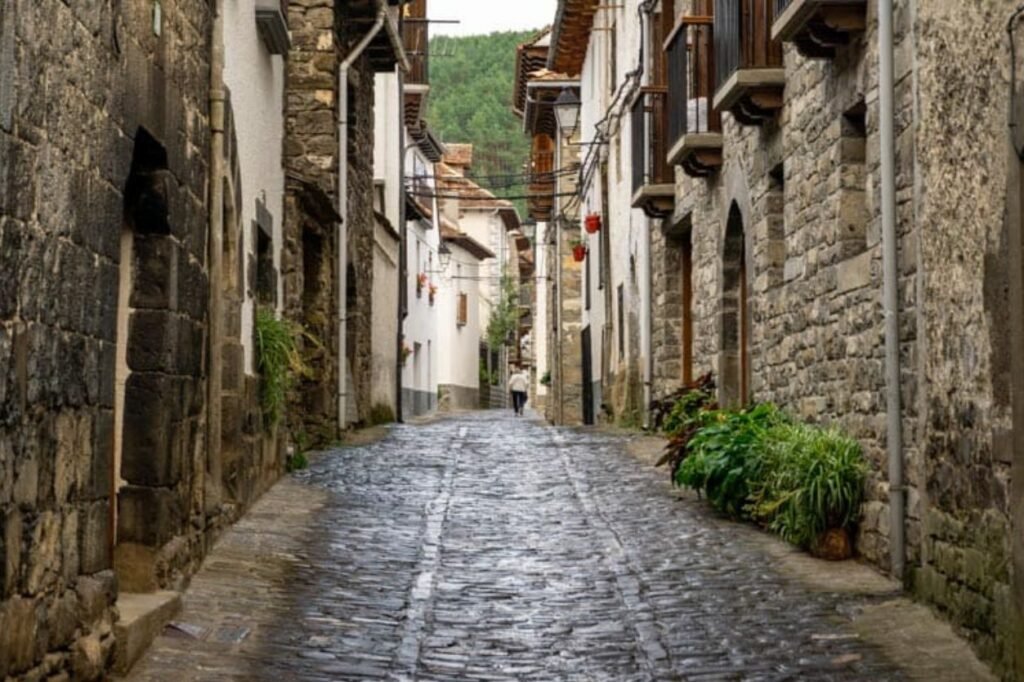
Ansó: Pyrenean architecture and tradition
Right where Huesca almost crashes into Navarre, in the Hecho Valley, lies Ansó. The stone houses are packed so tightly together that they create fascinating, gloomy alleyways called “callizos”, the old neighborhood remedy against freezing winds. Pop in to see its sturdy Parish Church of San Pedro and, if you’re hiking up there in the middle of August sweating bullets, follow the road north to take a free dip in the cold pools of the Veral River. A natural steal!
Jaca: The pearl of the Aragonese Pyrenees
Jaca was the first capital of the primitive Kingdom of Aragon, and it shows. Stop number one is the imposing Ciudadela (Castillo de San Pedro), a five-pointed star fortress with a green moat that looks like a movie set. Then walk to its Romanesque Cathedral, birthplace of the famous “jaqués checkerboard” ornament that you will see copied in a thousand churches along the Camino de Santiago. To watch the sunset, hop in your car and drive up to the Fuerte de Rapitán to gift yourself the best views of the Peña Oroel peak.
🎟️ Key Excursions to squeeze the most out of your time
There are tales of witches, kings, and geology that not even Wikipedia tells you. Doing a free tour or a guided visit saves you from just staring at stones without understanding anything. Our favorites are:
- ✓ To kick off: Official Guided Tour of Huesca. Brush up on the medieval history and legends of the capital.
- ✓ In the heart of history: Guided tour of Jaca and its Citadel. Includes access to the military pavilions and the miniatures museum.
- ✓ If you want adrenaline: Sorrosal Via Ferrata (Broto). Ladders anchored into vertical waterfalls. A brutal shot of adventure, suitable for beginners.
🏰 Pure Mysticism: Canfranc, Loarre and San Juan de la Peña
If you’re into Nazi spy plots, medieval knights, and the Holy Grail, Huesca is your province.
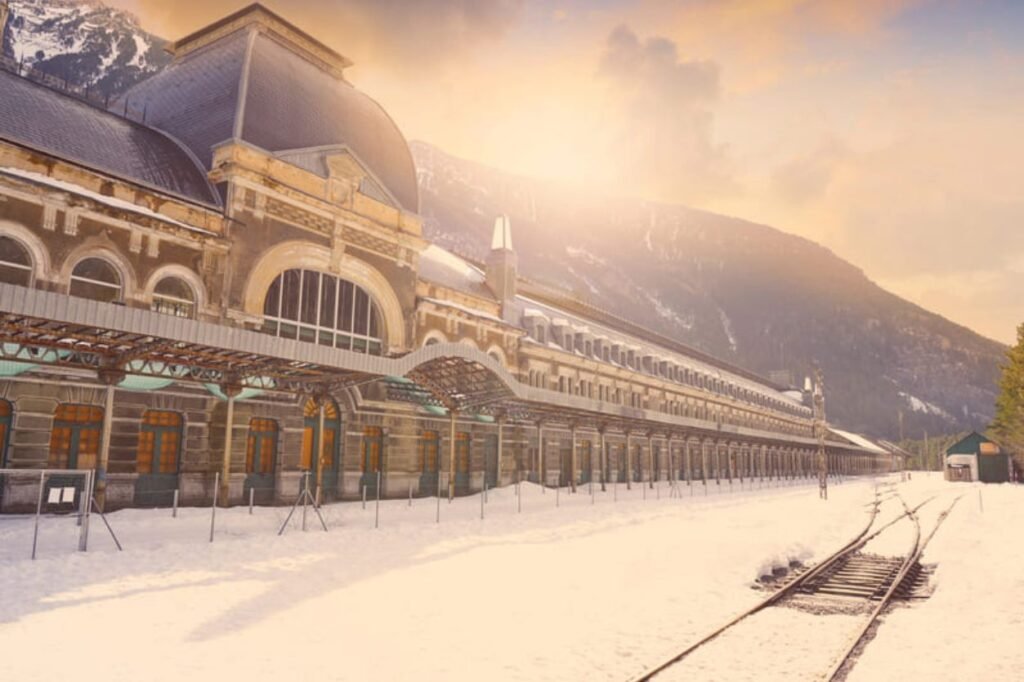
Canfranc International Station
This palatial mammoth from 1928, right on the French border, was the real-life stage where gold stolen by the Nazis flowed and refugees fled during WWII. Today, after decades in ruins, it has been transformed into a spectacular grand hotel. To see the historic lobby inside, you absolutely must take the official guided tour (book weeks in advance because tickets fly).
Loarre Castle: Out of a movie
Climb up to the best-preserved Romanesque castle in Europe. It sits on a limestone promontory dominating the entire plain. Strolling through its walls and dark tunnels is so imposing that Ridley Scott brought Orlando Bloom here to film Kingdom of Heaven.
San Juan de la Peña Monastery
Drive along the fir tree road from Jaca until you encounter this monastery literally carved and wedged beneath a gigantic overhang of rock. Its cloister is mind-blowing, and the official history claims that the Holy Grail itself was hidden here for centuries. Pure magic.
🏞️ Epic Hiking: Ordesa y Monte Perdido National Park
The undisputed king of Pyrenean postcards. U-shaped valleys, shady forests, and 3,000-meter limestone peaks are waiting for you.
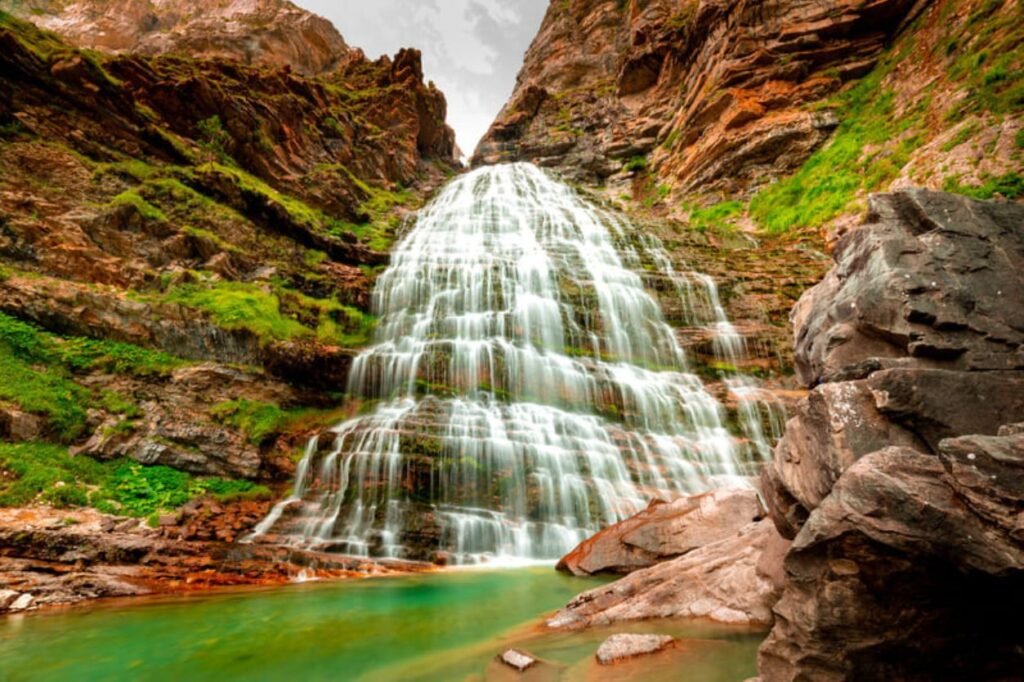
Torla-Ordesa and the Cola de Caballo
The stone village of Torla is the base camp. From the Pradera de Ordesa starts the most famous trail in Spain: the 17 km (round trip) to the Cola de Caballo Waterfall (Horsetail Falls). It is physically demanding but technically just a walk. You’ll pass the Gradas de Soaso before flowing into the impressive glacial cirque guarded by Monte Perdido.
Añisclo Canyon and Ermitas de Tella
The Añisclo Canyon is a deep scar in the rock sculpted by the Bellós River. Park and do the circular route to the Hermitage of San Úrbez (45 min). Afterward, drive to Tella, a town famous for its witchcraft legends, and do its highly renowned Route of the Hermitages, a 1-hour family stroll with stunning bird’s-eye views.
Pineta Valley and the Cinca Waterfalls
Entering through Bielsa you will run into Pineta, a flat, green valley full of cows that abruptly crashes against a vertical wall over a thousand meters high. Walk to the roaring Cascadas del Cinca (Cinca Waterfalls) and feel tiny.
🧗 Pure Adrenaline: The Pre-Pyrenees of Guara and Riglos
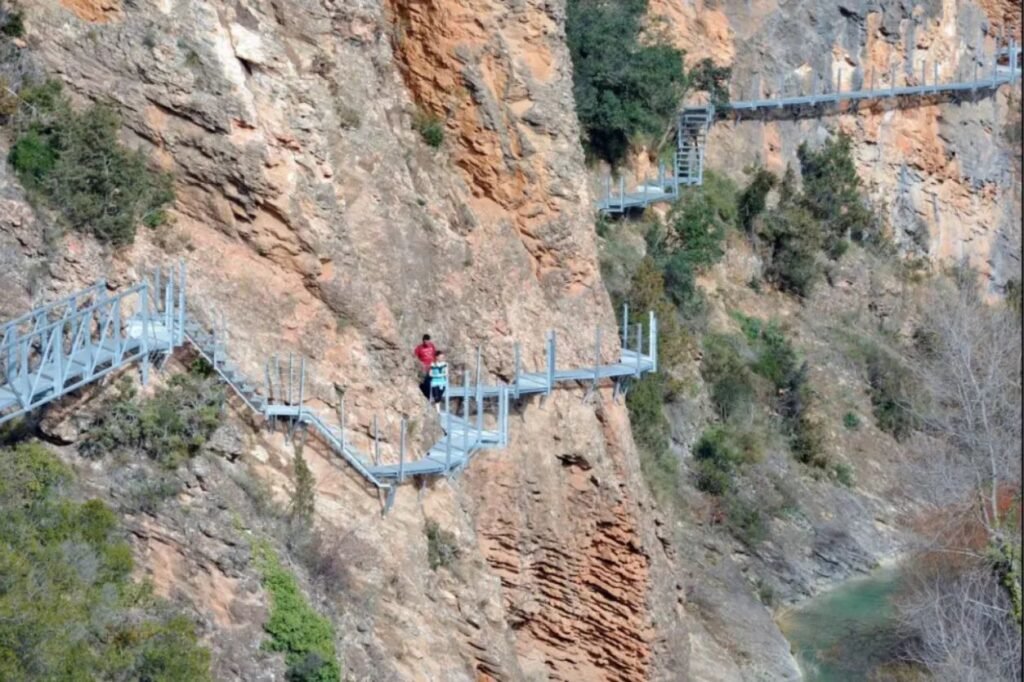
Alquézar, Pasarelas del Vero and Salto de Bierge
Alquézar is canyoning paradise and, coincidentally, a beautiful medieval villa. Its biggest hit suitable for almost everyone is the Pasarelas del Vero: a couple of hours walking on metal grates bolted into the living rock, suspended over turquoise pools. And if it’s really hot, escape to the Salto de Bierge to take a good dip under the dam.
The Mallos de Riglos
Cigar-shaped, reddish rock formations 300 meters high that emerge out of nowhere. Climbers go crazy here. Swap your flip-flops for boots and do the “Camino del Cielo” (Path of the Sky), a circular route that surrounds these giants guarded by dozens of griffon vultures.
📦 Bargain Hunter’s Backpack: What should I bring on the trails?
In the mountains, going cheap gets expensive if your shoes break. Forget about bringing flat running shoes; you need battle gear here.
- ✓ For your feet: Invest in a pair of good high-top trekking boots (Gore-Tex). They will save you from more than one sprain on loose, wet rocks.
- ✓ The weather shield: Always pack a lightweight windbreaker at the bottom of your bag. By 18:00, the air off the glacial lakes will freeze the sweat on you.
- ✓ Pro-level hydration: Ditch the plastic and carry a 1-Liter insulated steel bottle. The water will stay ice-cold all day long.
🏔️ Aínsa and Benasque: Touching the clouds
Where the Cinca and Ara rivers cross, Aínsa appears. Its arcaded Plaza Mayor will leave you speechless; just grab a seat on a terrace and soak in Aragonese medieval history at its absolute finest.
Much further east awaits Benasque, the corner for the brave. Here are the monsters over 3,000 meters, including the lethal glacier of the Aneto Peak. If you aren’t an expert mountaineer (crampons and ice ax level), do the sensational hike to the Forau de Aigualluts. It’s flat, the views of Aneto belong on a poster, and you’ll see how the glacier water suddenly vanishes into a giant karst sinkhole.
🗺️ Hidden treasures few people know about
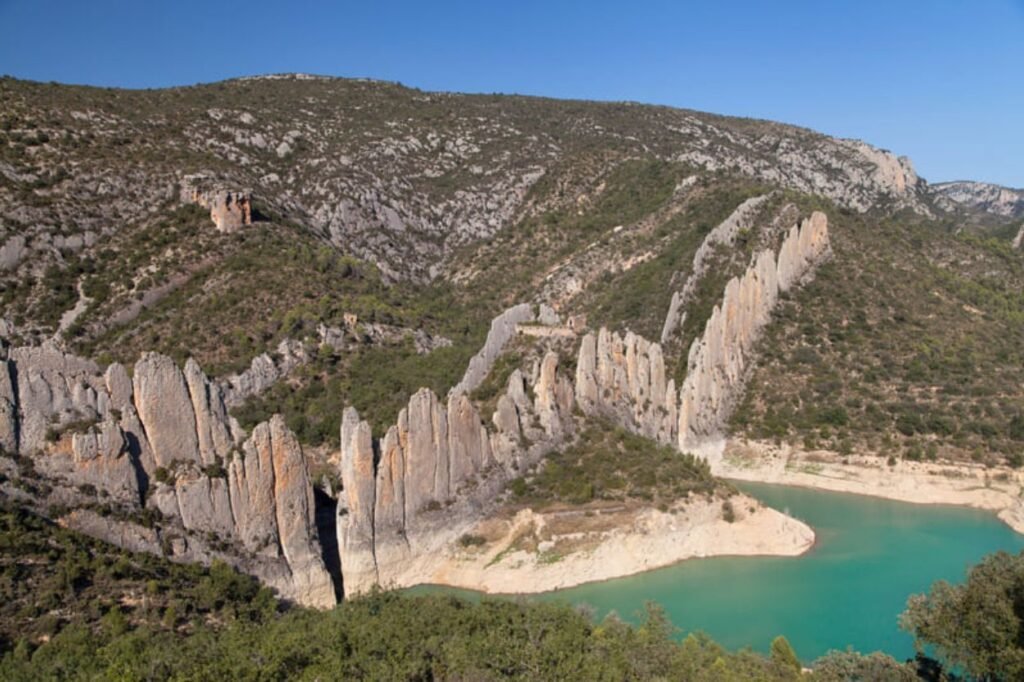
If you still have vacation days left and feel like driving, pull out the magnifying glass on the map to hunt down these five isolated treasures:
- The Finestres Wall: Our “Great Wall of China.” Two giant, parallel rock knives in the middle of the Canelles reservoir. The dirt track access destroys low cars; it’s better to check it out by booking a short catamaran ride.
- Montfalcó Footbridges: If you’re afraid of heights, don’t even think about it. They are wooden stairs anchored in a vertical free fall on the rock face in the Mont-Rebei Gorge. Only for strong hearts.
- The Chistau Valley (Gistaín) and Ibón de Plan: The Pyrenees of our grandparents. Drive through dark, solid rock tunnels to the villages of Plan and Gistaín. If you have a 4×4 or grab a local tractor-taxi, go up to the Basa de la Mora, the most magical glacial lake (ibón) in Huesca.
- Lanuza and the Tena Valley: Lanuza was expropriated in the 70s for the reservoir, wasn’t fully flooded, and the locals returned to rebuild it stone by stone. Today, its floating auditorium hosts the best summer music.
- Roda de Isábena: With barely 40 inhabitants, it holds the pride of being the smallest village in Spain that has its very own imposing Romanesque Cathedral.
🥘 Bargain Gastronomy: Where to eat a hearty meal (With real prices)
Burning 2,000 calories a day on the mountain, you need energy. Skip the laminated tourist-trap menus and jot down these 6 spots where we have personally eaten and rolled out the door happy:
- La Bodeguita (Huesca Capital): A classic basement tavern. If you don’t order the wood-fired roast Ternasco (suckling lamb) with poor man’s potatoes, you went there for nothing. (Around 20-25€ / pax. Book in advance on weekends, yes or yes).
- La Tasca de Ana (Jaca): Absolute tapas paradise. Order the “Rodolfos” (huge battered prawns with a secret sauce). (Tapas hopping for 15-20€ / pax. They don’t take reservations, plant your boots at the door at 20:00h).
- Restaurante L’Aínsa (Aínsa): Eat beneath its medieval arcades. The must-have here is the Migas Aragonesas (traditional breadcrumbs) with raisins and a fried egg, and for the brave, the chiretas (lamb tripe stuffed with rice). (Around 18-22€ / pax).
- Borda Chiquín (Ansó Valley): An old stone cabin in the middle of nature. The giant wood-grilled T-bone steak looking towards the Navarre peaks is brutal. (Around 25-30€ / pax).
- Pastelería Ascaso (Huesca Capital – To go): The mandatory sweet stop on the Coso. Take a Trenza de Almudévar on your hike (an incredible braided puff pastry with yolk, walnuts, and raisins). (Around 12-15€ for the whole braid).
- Bar Social Bierge (Bierge): The favorite dive for canyoners after peeling off their wetsuits. Noisy, authentic, and with a hearty daily set menu (stews, baked macaroni). (Bargain menu for 14-16€).
💡 BARGAIN TIP: The Baker’s Rescue
In the larger pre-Pyrenees towns, menus in mid-August easily exceed 25€. If you want to eat luxuriously without going broke, step away from the main squares of Jaca or Aínsa, head into the back alleys where local plumbers’ vans are parked, or rely on the village bakeries (like La Espiga in Torla) to grab some good homemade wood-fired empanadas for the mountain for just 3 euros.
👦 Traveling with kids to Huesca (and surviving the attempt)
The Pyrenees is a massive amusement park, but dragging a kid through 15 kilometers of scree and vertical elevation usually ends in tears and parents carrying backpacks (and kids). We’ve got 3 aces up our sleeve:
- Lacuniacha (Tena Valley): A mind-blowing 4.5 km biopark in the forest where they will see brown bears, wolves, and lynxes in semi-freedom. (Use a baby carrier backpack because strollers get stuck on the rocks).
- The Deer of the Citadel (Jaca): A herd of huge, super sociable deer and fawns live in the castle moat. They will love watching them graze for free just by leaning over the wall.
- Tena Valley Zipline (Hoz de Jaca): Only for older kids (40kg and up). They will fly over the turquoise reservoir at 90 km/h on Europe’s longest double zipline. A shot of adrenaline!
🐕 Guide and rules for traveling with your dog to the Pyrenees
We know your dog is part of the family and you want them to breathe the pure air, but be careful because the Huesca mountains have very strict laws (and the environmental police aren’t messing around):
- In Ordesa, keep a short leash: Luckily, they do allow dogs into the National Park, but they must be controlled at ALL times on a leash (maximum 2 meters). If you let them loose and they chase a marmot, the fine reaches 600€.
- The stress of the Torla Bus: The bus that takes you up to the Pradera allows pets for 2€, BUT they must be locked in metal carriers located in the dark bottom trunk of the bus. Many owners prefer to save them the trauma and drive their own car to neighboring free valleys, like Bujaruelo.
- Beware the Pine Processionary Caterpillar: In spring (March, April), the low pine forests fill with these venomous caterpillars. If your dog sniffs or licks one, the necrosis of their tongue is incredibly fast and very serious. Watch where they step.
⛰️ Keep stretching the trip: Northern Spain
If you are on a *road trip* traveling across the north from end to end, connect the Huesca peaks with the coastal magic of the Cantabrian Sea:
🤔 FAQ: Frequent searches and practical doubts for traveling to Huesca
Is it safe to hike in Huesca on your own without a guide?
Totally safe on the marked trails, provided you use common sense. That said, once you pass 2,000m, blazing sun can turn into a thunderstorm in 15 minutes. Always have your map downloaded on your phone, a technical rain jacket, and plenty of water.
Can you pay for everything with a card in isolated villages?
In 95% of places yes, but in mountain refuges or high-pass bars, the card readers lose signal at the slightest cloud. Always carry about 30-50€ in cash in your wallet for parking and emergencies.
Is the water from fountains and rivers drinkable in Huesca?
The tap water from the town fountains is spectacular. But NEVER drink straight from wild waterfalls or mountain rivers, no matter how clean it looks. There is usually livestock defecating upstream and intestinal destruction is guaranteed.
Are there bears, wolves, or other dangerous animals on the trails?
There are isolated pockets of brown bears very far to the west, but it is statistically impossible to cross paths with one. What you will see are grazing cows, whistling marmots everywhere, and mind-blowing griffon vultures flying in circles over your head.
Is there good mobile coverage, 5G, and Roaming in the Pyrenees?
In the flat towns, 5G flies, but the second you enter a gorge like Añisclo, say goodbye to the world: zero coverage. And watch out, if you are very close to the border (Astún, Benasque), your phone will jump to the French network; don’t worry though, you still have free European Roaming.
Are snow chains mandatory for your car?
From November to April, yes or yes. If things get ugly and it snows heavily, the Guardia Civil (police) will block your path at the valley roundabouts and force you to turn around if you aren’t carrying physical chains in your trunk.
We truly hope this guide helps you squeeze, organize, and maximize your bargain trip to the highest level! If you still have any doubts about accommodation or need to balance out a mountain route, drop us your question in the comment box and the community will give you a hand. Time to eat up those miles, explorers!