Founded by the Phoenicians in the 8th century BC and blessed with an enviable Mediterranean climate virtually 365 days a year, the city of Málaga overflows with a magnetic personality. Far from just being a layover city or a simple gateway to the coast, the birthplace of Pablo Picasso has reinvented itself. It masterfully combines a millennia-old historic center, an avant-garde museum scene on a European level, and that characteristic Andalusian art of living that hooks you from your very first espeto (traditional sardine skewer).
At Cholleros Viajeros, we know that tackling a city with so many layers and options can be overwhelming. If you’re wondering what to do and what to visit in Málaga while optimizing your time and budget, you’re in the right place. Steering clear of traditional tourist brochures, we’ve structured this guide with real-world logistics: where to park for free, which taverns the locals actually eat at, and how to skip the lines. This guide to the 21 top tourist attractions in Málaga is your perfect roadmap. Let’s go!
🌤️ Weather and Best Time to Visit (Watch Out for the Terral)
Málaga boasts one of the best climates in Europe, but there’s a local weather phenomenon you need to know about to avoid surprises: the Terral wind. Here’s how the city behaves depending on the season:
- Spring and Autumn (The masterstroke): The months of April, May, September, and October are absolutely perfect. You’ll enjoy mild temperatures (22ºC – 26ºC / 71ºF – 79ºF), the sea water starts getting inviting (or stays warm in autumn), and accommodation prices are much more reasonable than in summer.
- August (The Málaga Fair): If you’re looking for parties, folklore, Cartojal (the sweet local wine everyone drinks at the fair), and dancing in the streets, the August Fair is a once-in-a-lifetime experience. Just be prepared for extreme crowds and paying sky-high prices for hotels.
- Summer (The dreaded Terral): July and August bring intense heat and lots of humidity. The real issue comes on the days the Terral blows—a dry, blistering wind that sweeps down from the mountains and shoots thermometers above 40ºC (104ºF). On those days, your only option is to take shelter in air-conditioned museums or stay submerged in the ocean at the beach.
💶 Detailed Málaga Travel Budget
Málaga has become pricier in recent years due to its international boom, but it still maintains fantastic options for eating like a king without going broke. Here is a realistic daily breakdown per person:
- Backpacker / Camper Budget (40€ – 55€/day): A night in a downtown hostel or staying at designated camper areas in the province (20€), eating typical camperos (massive local toasted sandwiches) and tapas portions in neighborhood bars (15€), free activities (Roman Theater, strolling Muelle 1, beaches), and city bus transport.
- Mid-Range / Comfort Budget (90€ – 120€/day): Accommodation in a 3-star hotel or shared downtown apartment (50-65€ per person), a hearty sit-down tapas meal in classic taverns paired with good sweet wine (25-30€), a traditional breakfast featuring a pitufo (a small, toasted local bread roll) (4€), and a couple of tickets to museums or the Alcazaba (15-20€).
- Premium / Luxury Budget (180€ – 230€+/day): Boutique hotels with sea views or rooftop pools right in the center (100-140€), seafood dinners at port restaurants or local Michelin-starred venues (70-90€), and VIP tickets to the main museums.
🚗 Logistics: Getting There, Getting Around, and the Challenge of Parking
Getting to the capital of the Costa del Sol is a logistical breeze. The Málaga-Costa del Sol Airport (AGP) is just 8 kilometers away. From the terminal itself, you can hop on the Cercanías commuter train (Line C1) which drops you off downtown (María Zambrano Station or Málaga Centro-Alameda) in barely 12 minutes for under 2€. If you arrive by high-speed AVE train, you’ll step right out into the city center at the María Zambrano station.
If you’re traveling with your own car, the story changes. Málaga’s historic center is almost entirely pedestrianized, and the surrounding streets are locked down by the SARE zone (regulated paid parking). Underground parking lots in the center (like Plaza de la Marina or Camas) will easily set you back between 22€ and 26€ per day.
💡 PRO TIP: Where to park for free in Málaga
To avoid blowing your budget on parking garages, head to the well-connected outskirts. The best areas for free parking are around the Palacio de los Deportes Martín Carpena or the Teatinos (Ciudad de la Justicia) neighborhood. Both areas offer large open lots or free residential streets, and they have Metro Line 1 stops that will drop you at the Atarazanas station (right on Calle Larios) in 15 minutes.
🥾 Step-by-Step Málaga Itineraries (Optimized Routes)
The old town is compact, flat (except for the climb up to Gibralfaro), and perfect for exploring on foot. We’ve designed these routes so you can fit all the monumental puzzle pieces together without walking in circles. Click to expand the route that best fits your trip:
🗺️ 1-Day Route: Express through the Málaga Capital
- Morning (Center and Fortress): Start your day with a mixed pitufo (toasted ham and cheese roll) in the center. Walk down the elegant Calle Larios to Plaza de la Constitución. Visit the Cathedral (La Manquita) and head over to the Roman Theater, tying it straight into the climb up to the Alcazaba.
- Midday (Flavor): Come down from the fortress and grab some tapas around Calle Granada or at the legendary El Pimpi tavern (right across from the Roman Theater).
- Afternoon (Picasso and the Sea): Take a quick visit to the Picasso Museum. Then, cross the Paseo del Parque, venture into the modern Muelle 1, and walk to La Farola (the lighthouse) to watch the sunset overlooking the bay.
🗺️ 2-Day Route: The Málaga Classic (Recommended)
- Day 1 (The Heritage Axis): Dedicate your morning to the Atarazanas Market, the Cathedral, the Roman Theater, and the Alcazaba. In the afternoon, make the effort to climb up to the Gibralfaro Castle viewpoint for that iconic photo. Enjoy a tapas dinner in the historic center (Plaza del Obispo / Calle Strachan).
- Day 2 (Art and Espetos): A cultural morning: the Picasso Museum, Plaza de la Merced, and the Carmen Thyssen Museum or Pompidou Center. At midday, head towards the fishing neighborhoods of Pedregalejo or El Palo to eat some delicious sardine espetos right on the beach. Spend the evening strolling through the Soho neighborhood to check out its urban art.
🗺️ 3 Days or More: Botany and Excursions
- Days 1 and 2: Follow the classic historic center itinerary described above at a leisurely pace.
- Day 3: Spend the morning taking the city bus to get lost in the immense tropical jungle of the La Concepción Historical-Botanical Garden (on the outskirts). In the afternoon, take a dip at La Malagueta Beach and relax at the Hammam Al Ándalus. If you have a fourth day, it’s the perfect time for an organized excursion to the spectacular Caminito del Rey or the cliffside city of Ronda.
🏨 Where to Sleep: Neighborhood Guide (Pro Recommendations)
Choosing the right location will save you tons of travel time and allow you to easily pop back for a quick refresh. Staying inside the old town, near Plaza de la Merced, or in the modern and central Soho district is a winning bet. Here are our proven favorites offering an excellent price-to-quality ratio:
🏨 Recommended Accommodations in the Historic Center
These hotels have been handpicked for their strategic locations, letting you pound the pavement without relying on buses:
- ✓ Our top pick: Hotel del Pintor. Located right in the historic center, next to the lively Plaza de la Merced (Picasso’s birthplace). Modern, cozy, and a stone’s throw from everything.
- ✓ Classic Value for Money: Hotel Carlos V and the old-school Hotel Don Curro. Perfect for getting some rest without excessive luxury, but without giving up being literally in the core of the city.
- ✓ For a special touch and views: Hotel Boutique Teatro Romano. The name says it all: located exactly opposite the monument of the same name, at the foot of the Alcazaba, and one minute from the Picasso Museum.
🚐 Where to Park and Sleep in an RV or Camper Van in Málaga
Exploring the capital of the Costa del Sol on wheels requires knowing parking and overnight options in advance. The city council is strict about overnight stays on the beachfront within the city limits, so take note:
- Authorized RV Areas: The most popular and convenient option is the Málaga Beach Area, located in the Cala del Moral / Rincón de la Victoria zone, or the Los Álamos parking area (towards Torremolinos). Both are perfectly connected by the metropolitan bus network or the commuter train.
- Daytime Parking: For day visits, you can try parking on the wide avenues of the Teatinos neighborhoods or near the Cortijo de Torres auditorium.
To check the full list, updated prices, and the condition of facilities in the province, we recommend checking out the guide to RV areas in Málaga on AreasAc.
🗺️ Interactive Map of Málaga’s Tourist Spots
To guide you step-by-step during your city walks, we’ve put together this interactive Google MyMaps. You’ll find key spots organized by color layers (monumental heart, museums, beaches, and the restaurant area in Pedregalejo), plus a technical layer for parking and RV stays. Sync it to your phone to use it offline:
👑 The Historic Heart: Calle Larios, the Cathedral, and Key Monuments
Málaga’s historic core concentrates a fascinating mix of 19th-century bourgeois elegance and remnants of an Arab and Roman past that you can discover on foot, with the scent of biznaga (jasmine floral arrangements) in the air.
🎟️ Guided Visits and Free Tours (The best way to kick things off)
As one of the most visited cities in Andalusia, having an expert guide makes all the difference when it comes to understanding its thousands of years of history. We highly recommend booking these activities in advance:
- ✓ For a first taste: The Free Walking Tour of Málaga or, if you’d rather not worry about buying individual tickets, the Complete Tour with tickets included.
- ✓ The must-do historical combo: Free Tour of the Alcazaba and Roman Theater or the paid guided tour so you don’t miss a single legend of the Arab fortress.
- ✓ A moment of absolute relaxation: When your feet can’t take another step, a Ticket to the Hammam Al Ándalus Málaga (spectacular Arab baths right in the center) will bring you back to life.
✨ Calle Larios and Plaza de la Constitución
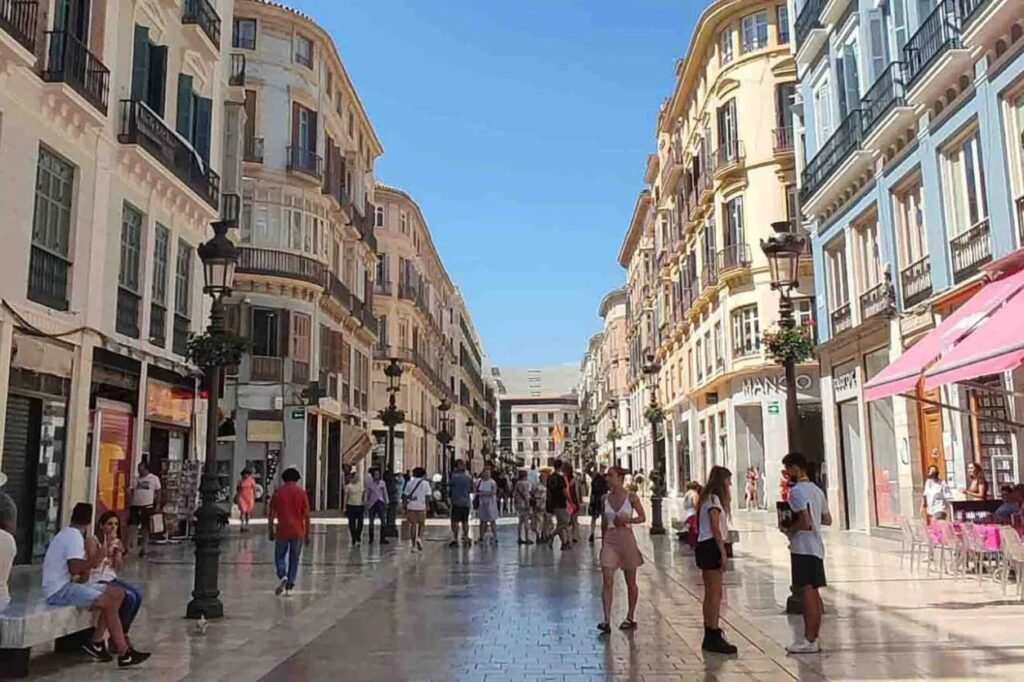
Opened in 1891, Calle Marqués de Larios is the most elegant, famous, and photographed pedestrian artery in the city. Flanked by beautiful symmetrical buildings with curved corners, the marble floor shines as you stroll past luxury shops. The street leads directly into the iconic Plaza de la Constitución, the epicenter of Málaga’s social life, hosting everything from concerts to New Year’s Eve countdowns, and presided over by the historic Genoa Fountain.
⛪ Málaga Cathedral (“La Manquita”)
The Cathedral of the Incarnation is one of the jewels of the Spanish Renaissance. Its construction dragged on for so long that when the funds ran out (rumor has it they were used to aid the American War of Independence), the south tower was left unfinished. That’s why all locals affectionately know it as “La Manquita” (The One-Armed Lady). Its main facade facing the beautiful and colorful Plaza del Obispo (home to the Baroque Episcopal Palace) is a must-take photo. If you pay for full admission, you can climb up to the rooftops and walk along its vaulted ceilings.
🏛️ The Roman Theater and the Jewel of the Alcazaba
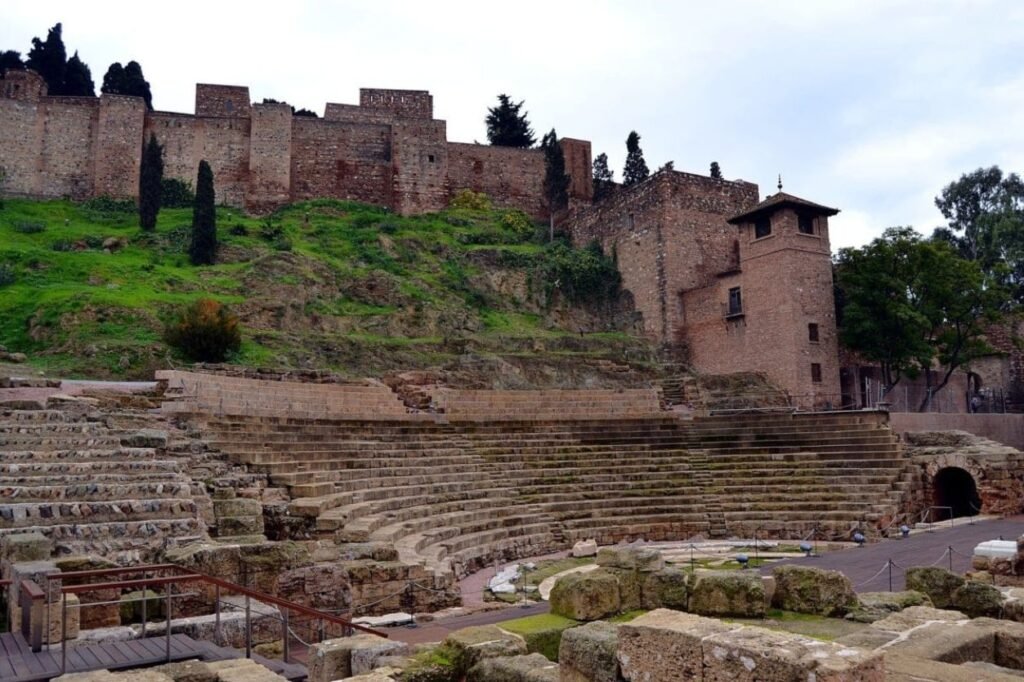
Nestled at the foot of Mount Gibralfaro, the Roman Theater from the era of Augustus reminds us of the city’s thousands of years of history. The best part is that it was buried and remained undiscovered until 1951, and visiting it is completely free.
But the main course sits right above it. Attached to the theater is the entrance to La Alcazaba, an 11th-century Moorish palace-fortress. It is, quite simply, spectacular: crenellated walls, defensive zig-zag gates, Arabic courtyards with water channels, soothing fountains, and bougainvillea adding the perfect splash of color. Think of it as the “little sister” to the Alhambra, and the views of the bay from its lobed arch windows are memorable.
🎨 Cultural Málaga: Picasso’s Universe and the Art Mile
Málaga has undergone a massive transformation in recent decades, aiming to become the museum capital of southern Europe. And a huge part of the credit goes to its most illustrious son.
🖼️ Plaza de la Merced and the Picasso Legacy
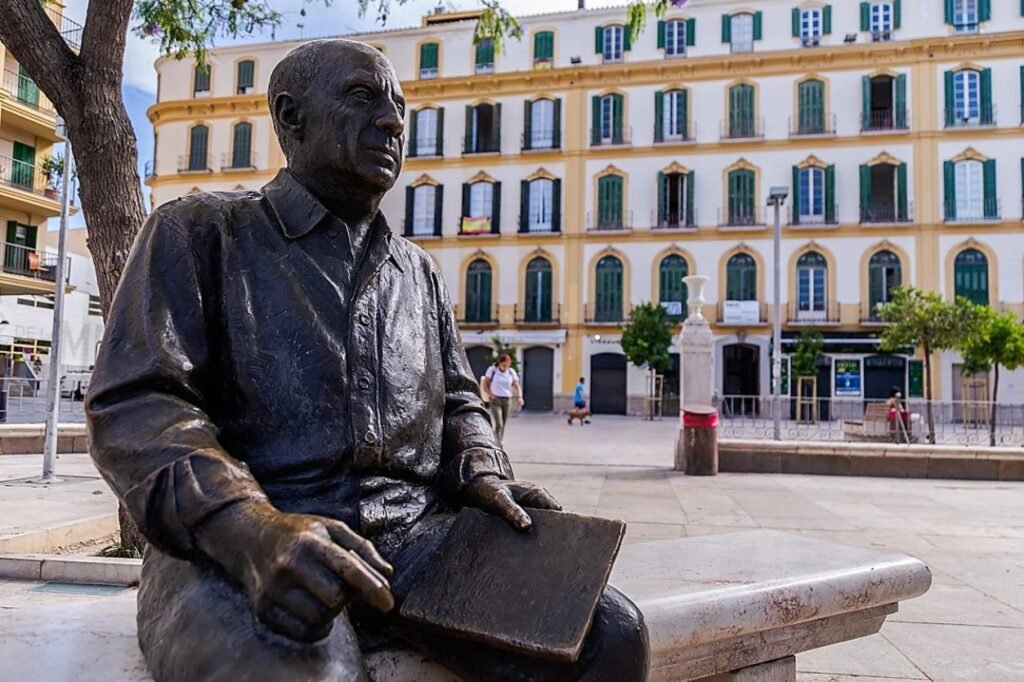
The immense Plaza de la Merced, watched over by the Torrijos obelisk, is one of the brightest and most lively squares in the city, packed with terraces. On one of its corners is Picasso’s Birthplace (now a museum). If you walk down Calle San Agustín, you’ll reach the majestic Buenavista Palace, home to the Picasso Museum Málaga. Inside, it guards over 200 works that will help you understand the evolution of the genius who changed the history of art.
🎟️ Since it’s the most visited museum in Andalusia, the lines out in the sun are legendary. Secure your official online ticket here and walk right in.
🎨 Carmen Thyssen, Glass, and Pompidou Museums
The offerings don’t stop there. The stately Villalón Palace houses the Carmen Thyssen Museum, a must-visit if you want to soak up 19th-century Andalusian genre painting. For lovers of wonderful oddities, the Glass and Crystal Museum, set in a gorgeous 18th-century house in the San Felipe Neri neighborhood, offers guided tours tracing human history through thousands of glass pieces. And if you’re after contemporary art, the colorful glass cube of the Pompidou Center (at the port) awaits you with its avant-garde collections.
📦 Travel Essentials: Basics for Walking Málaga
The Málaga sun is unforgiving, even in spring. To walk around the historic center and enjoy the promenade without ending up exhausted, pack these in your day bag:
- ✓ Beat the heat: A stainless steel insulated bottle. Your water will stay freezing cold as you hike up those endless hills toward Gibralfaro.
- ✓ Mandatory protection: A UV protection hat and sunglasses. These are essential because the Mediterranean light bouncing off the marble streets and the sea is blinding.
- ✓ For your daily steps: Breathable urban walking shoes to handle those long walks from the center all the way to the eastern beaches without fatigue.
🌊 The Seafaring Spirit: The Port, Muelle 1, and Beaches
Málaga’s deep relationship with the sea defines its open-minded character. The city no longer turns its back on the Mediterranean; instead, it has integrated its port as a luxurious promenade.
🚢 The Palmeral, Muelle 1, and La Farola
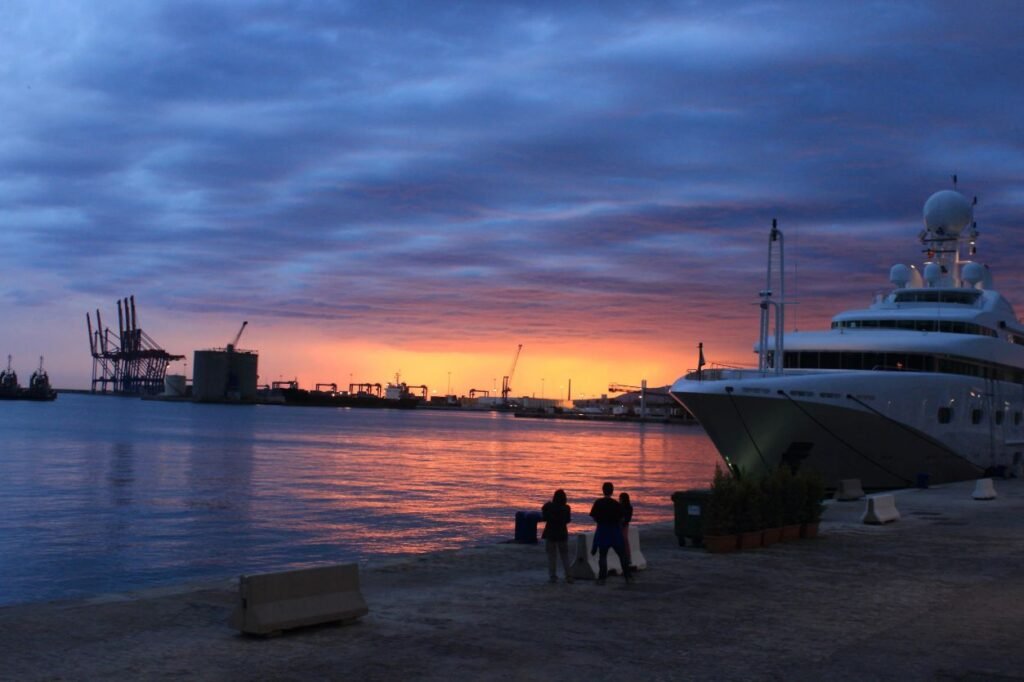
From Plaza de la Marina, you can access the Palmeral de las Sorpresas (Palm Grove of Surprises), a gorgeous white-canopied promenade that shields you from the sun as you walk past the boats. This walkway connects directly to Muelle 1 (Pier 1), our favorite commercial and gastronomic spot to unwind. It’s packed with shops, chill-out terraces, and brilliant views of the beautifully illuminated Alcazaba at night. At the end of the pier waits La Farola, the only lighthouse in peninsular Spain with a female name, built in 1817.
If you want to put the perfect finishing touch on your afternoon and watch the city turn orange, treat yourself and ⛵ book your catamaran ride around the bay right here (it’s super cheap and incredibly relaxing).
🏖️ La Malagueta Beach and the Fishing Neighborhoods
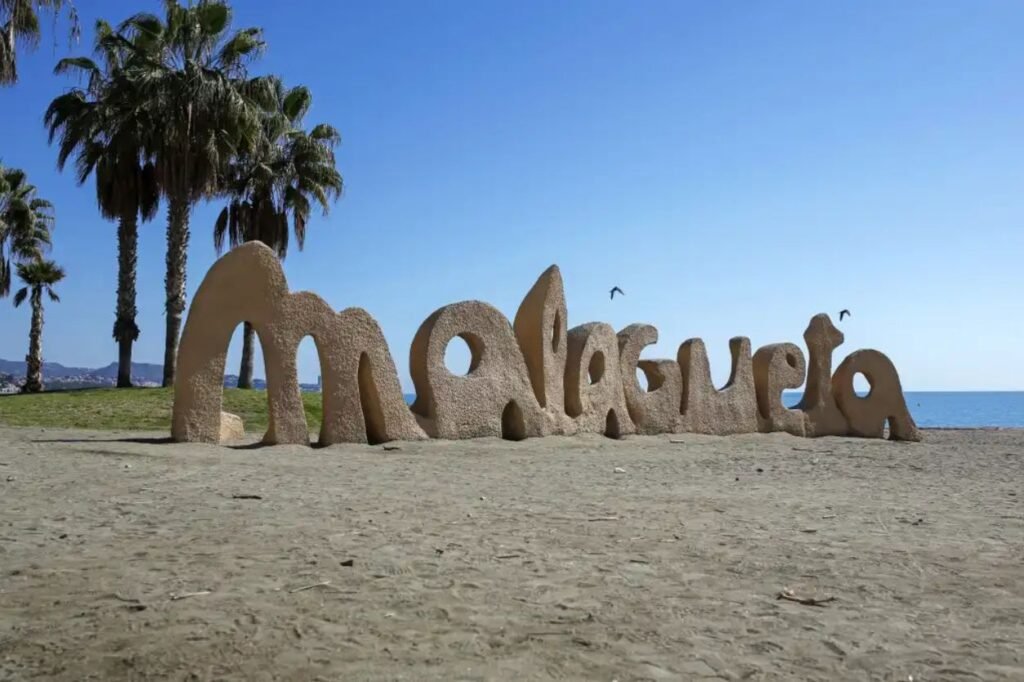
Right behind La Farola starts La Malagueta Beach, the city’s most famous urban stretch of sand. It’s ideal for pairing a morning of museums with a quick, refreshing dip. Across from it stretches the elegant Paseo de Reding, lined with massive trees and aristocratic mansions like the imposing Gran Hotel Miramar. If you keep walking east along the coast (or hop on a bus), you’ll reach the old fishing districts of Pedregalejo and El Palo, which preserve their traditional low houses and act as ground zero for the best chiringuitos (beachfront seafood joints).
🌿 Secret Spots: Gibralfaro, Soho, and the Botanical Garden
Beyond the heavily trodden tourist circuits, the city hides treasures that reward the most curious (and fit!) travelers.
🏰 Gibralfaro Castle and Atarazanas Market
If the Alcazaba was the palace, the Gibralfaro Castle was the military fortress at the top of the hill designed to defend it. The hike up through the pine forest is pretty steep (if you visit in summer, catch the 35 bus), but we guarantee that from its battlements, you’ll get the best panoramic views of the bullring, the port, and the Mediterranean. Back down on flat ground, swing by the Atarazanas Central Market, built incorporating a spectacular marble gate from the old Nasrid shipyards. Today, it’s a festival of fresh produce, stained glass windows, and stalls where you can eat fried fish right in the street.
🌳 La Concepción Botanical Garden and the Soho Neighborhood
On the outskirts (reachable via the Line 2 bus), an absolute oasis awaits: the La Concepción Historical-Botanical Garden. Created by a pair of aristocrats in the 19th century, it is literally a tropical jungle in the middle of Europe, complete with vines, waterfalls, and viewpoints. If you prefer asphalt and urban culture, get lost in the downtown Soho Neighborhood (next to the Alameda Principal). Known as the Arts District, it will blow you away with its giant murals and graffiti signed by world-renowned artists like D*Face and Obey.
🌍 Want to Go Further? TOP Excursions from Málaga
The city of Málaga makes the perfect base camp for exploring the wonders of the province or wider Andalusia. If you have extra days, save yourself the stress of renting a car and fighting for parking, and lean on these organized day trips (transfers and guides included):
- Caminito del Rey Excursion: Pure adrenaline. A spectacular trail along walkways pinned to the steep walls of the Gaitanes Gorge. Booking weeks in advance is mandatory.
- Excursion to Ronda and Setenil de las Bodegas: Discover Ronda’s dizzying Puente Nuevo (New Bridge) and the curious white town in Cádiz where houses are carved right into the rock.
- Excursion to Frigiliana and the Nerja Caves: Combine stunning prehistoric stalactites with what is widely considered one of the most beautiful white villages in all of Spain.
- Excursion to the Alhambra in Granada: Just an hour and a half away, cross into the neighboring province to see Spain’s most dazzling monument without the headache of hunting down tickets (they’re included).
🥘 Micro-Food Guide: Where and What to Eat in Málaga (With Prices)
Málaga’s food culture fuses the bounty of the sea with rich, hearty inland dishes. Forget about chain restaurants and jot down these local temples of tapas:
- Cortijo de Pepe (Plaza de la Merced): An unstoppable classic for traditional standing-room tapas at the bar. You must order their roasted pincho moruno (spiced pork skewer), the grilled octopus, or a portion of lean pork. (Very budget-friendly standing tapas, around 12-15€ per person).
- Casa Lola (Calle Granada / Strachan): A beautifully styled vermouth tavern that still holds that budget-friendly essence. Order a draft vermouth and pair it with their classic tapas or an assortment of croquettes. (Sit-down tapas for 18-20€ per person).
- The Chiringuitos of Pedregalejo: Hop on bus 11 or 34 and head to the fishing district. It is absolutely mandatory to sit in front of the boats where they roast sardine espetos (skewers) over an open wood fire. You eat the sardines with your fingers, and yes, you will get messy. A whole skewer costs between 3€ and 5€.
- El Tintero (In El Palo): A wild and incredibly fun experience. There are no menus here; waiters burst out of the kitchen shouting the fried dishes (anchovies! calamari! marinated dogfish!) and you raise your hand to “bid” on them. At the end, they count the plates on your table and you pay.
👦 Traveling to Málaga with Kids and 🐕 with Dogs
Málaga is incredibly convenient for family travel because the center is flat and pedestrian-only. If the little ones get tired of looking at old stones, take them to the MIMMA (Interactive Music Museum), where they can play instruments and make noise; put them on the Ferris wheel by the port; or let them run wild in the Paseo del Parque, a shady botanical garden that runs parallel to the main avenue.
If you’re traveling with your dog, your main challenge will be navigating the coastal laws. Between June and September, dogs are banned from urban beaches (you can get fined). You’ll have to head to the outskirts: the Arroyo Totalán Dog Beach (next to Cala del Moral) or the Guadalmar area. For walking, the surroundings of Gibralfaro and the trails of Monte Victoria are fantastic for letting them sniff around without burning their paws on the pavement.
💃 Continue Your Route Through Andalusia: Recommended Guides
Are you putting together a broader road trip through southern Spain? Discover our detailed step-by-step guides with maps and tips:
🤔 FAQ: Frequently Asked Questions & Practical Tips for Visiting Málaga
What can you see in Málaga for free?
Málaga gives you a lot without you ever taking out your wallet. Strolling down the elegant Calle Larios, admiring the exterior of “La Manquita” (the cathedral), wandering down into the spectacular Roman Theater (always free to enter), walking the modern Muelle 1, or relaxing in the jungle-like shade of Málaga Park facing the port costs absolutely nothing.
How many days are ideal to visit the city?
With 2 full days, you can comfortably cover the main monuments (Alcazaba, Cathedral), see the Picasso Museum, and enjoy the tapas scene or grab some espetos in Pedregalejo. If you plan to include day trips to places like Ronda or the Caminito del Rey, we suggest setting aside at least 3 or 4 days.
When is the best time to visit Málaga?
Spring and autumn are the star seasons for traveling to the Costa del Sol. The weather is warm and super pleasant for sightseeing. If you decide to go in August, prepare for the suffocating peaks of the Terral wind, but also get ready to dive into the unbeatable atmosphere of the famous Málaga Fair.
How do you get from Málaga airport to the city center?
The Málaga-Costa del Sol Airport (AGP) has unbeatable connections. The fastest, most comfortable, and cheapest way (under 2€) is to hop on the Cercanías commuter train (Line C1) right from the terminal. In just 12 minutes, it drops you at María Zambrano station or Málaga Centro-Alameda.
Where can I park for free in downtown Málaga?
Parking for free in the historic center is impossible, as it’s part of the blue regulated zone (SARE). Your best bet is to leave your car in the peripheral neighborhoods of Teatinos (Ciudad de la Justicia) or near the Martín Carpena stadium, where there are open dirt lots and free parking, and catch Metro Line 1 straight to the center in 15 minutes.
Are you more into hiking up to the Alcazaba for the views, or sitting in Pedregalejo eating espetos and getting your fingers messy? Leave us a comment below and we’ll help you plan your perfect Málaga getaway!